
why-is-suction-cup-placement-critical-in-palletizing, why-is-suction-cup-placement-critical-in-palletizing, /news
EN
2026/08/24
The success of any automated palletizing operation depends on reliable product handling, and the placement of your suction cup is one of the most overlooked yet critical factors in achieving consistent performance. Many facilities struggle with dropped loads, damaged goods, and production delays simply because they have not optimized where and how their suction cup makes contact with the product. Understanding why suction cup placement matters is essential for anyone managing material handling systems in warehouses, manufacturing plants, or distribution centers.
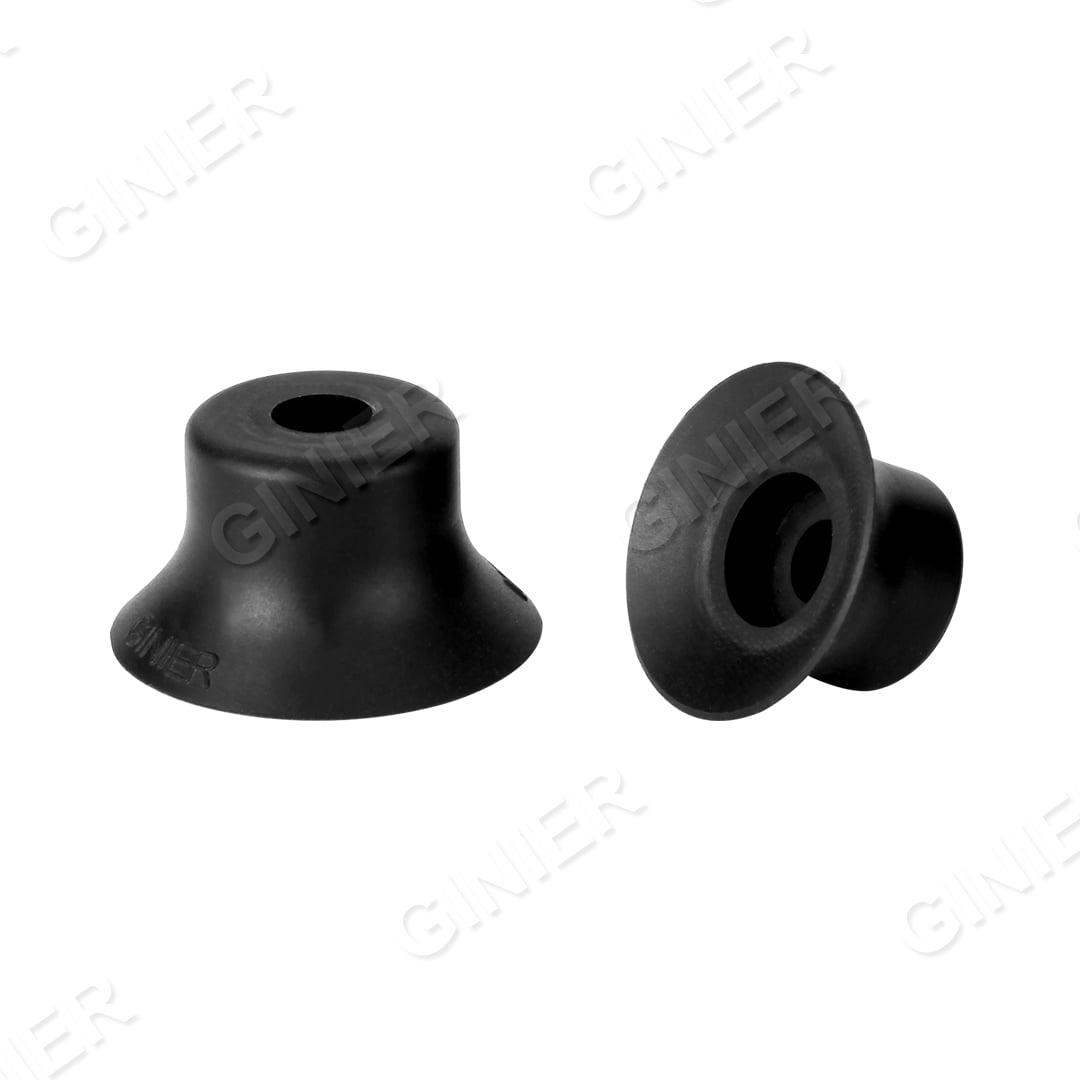
Proper suction cup placement directly influences grip strength, stability, and the overall reliability of your palletizing system. When a suction cup is positioned incorrectly, even a well-designed vacuum gripper system can fail to hold products securely, leading to safety hazards and operational inefficiencies. The location of your suction cup determines how force is distributed across the product surface, which impacts load capacity and the consistency of each pick-and-place cycle.
When a suction cup creates a vacuum seal on a product surface, the force holding that product in place depends entirely on the contact area and the uniformity of that contact. Incorrect suction cup placement can result in uneven pressure distribution, which weakens the overall grip. If your suction cup is positioned too close to an edge or on an uneven surface, the seal may be incomplete, and the product can slip or rotate unexpectedly during movement. The physics of vacuum-based holding requires that the suction cup make full contact with a smooth, flat surface to achieve maximum holding force.
The placement of your suction cup also determines the moment arm and stress distribution across the product. When a suction cup is positioned correctly at the product's center of gravity or at multiple balanced points, the load is carried safely and predictably. Conversely, when suction cup placement favors one side of the product, the asymmetrical force can cause tilting, rotation, or slippage, especially on lightweight or flexible items. Understanding these physics principles is the foundation for making intelligent suction cup placement decisions.
Different materials respond differently to suction cup engagement, and placement strategy must account for these variations. A suction cup works best on smooth, non-porous surfaces like plastic films, coated cardboard, and sealed boxes. However, if your suction cup is placed on a rough, porous, or textured surface, the seal quality deteriorates because air leakage occurs around the cup's perimeter. The placement decision should prioritize locating your suction cup on the smoothest available area of the product surface.
Flexible materials such as film-wrapped packages or soft goods present unique suction cup placement challenges. When a suction cup engages a flexible material, the seal must be robust enough to withstand the product deforming during acceleration and deceleration. Poor suction cup placement on flexible items often results in seal failure partway through the handling cycle. Strategic placement that avoids thin, unsupported areas and instead targets reinforced zones or product sections with structural backing significantly improves grip reliability and reduces placement-related failures.
Single-point suction cup placement works well for small, lightweight products, but larger items or heavy loads require multi-point vacuum systems. When deploying multiple suction cups, placement geometry becomes critical because each cup must contribute equally to load support. If suction cup placement creates an unbalanced configuration, one cup may carry more load than others, increasing failure risk on that cup and compromising overall system stability. Professional palletizing systems use triangular or rectangular suction cup placement patterns to distribute load evenly across multiple cups.
The distance between suction cups also matters significantly. Placement that spaces cups too far apart can result in sagging or flex in the product between cups, reducing effective grip. Conversely, suction cup placement that clusters cups too closely together wastes system capability and leaves product areas unsupported. Industry best practice typically positions suction cups within sixty to eighty percent of the product's overall width or length, creating a balanced force triangle that safely distributes the entire load.
Real-world palletizing often involves handling products with varying dimensions, weights, and shapes. Fixed suction cup placement works only when products remain consistent, but most facilities must handle some level of product variation. Intelligent palletizing systems adjust their suction cup placement logic based on product parameters, selecting optimal contact points for each specific item. When suction cup placement fails to adapt to dimensional changes, performance drops, and the system may revert to less efficient handling modes or manual intervention.
Advanced systems use vision or sensor-based detection to identify the best suction cup placement zones on each product in real time. This adaptive approach ensures that your suction cup always engages the strongest, most stable areas regardless of minor variations in product size or orientation. For facilities handling mixed product lines, this dynamic suction cup placement capability prevents the performance compromise that typically occurs when operators must choose between sub-optimal settings for different product types.
Improper suction cup placement directly increases safety risks in palletizing environments. When a suction cup fails to maintain adequate grip due to poor placement, dropped loads can injure personnel, damage equipment, and halt production. Workplace injuries from dropped loads are preventable, and optimizing your suction cup placement is one of the most cost-effective risk mitigation strategies available. Facilities with rigorous suction cup placement standards consistently report fewer safety incidents and lower workers' compensation costs.
Beyond dropped loads, unsafe suction cup placement can cause product damage that creates secondary safety concerns. Crushed or deformed items may not stack properly on pallets, leading to unstable configurations that become hazardous during transport. By prioritizing thoughtful suction cup placement that protects product integrity, your facility maintains safer pallets, reduces handling damage, and creates a more secure working environment for everyone involved in the supply chain.
Every failed pick cycle due to poor suction cup placement translates directly to reduced throughput and increased labor costs. Systems that must retract and retry after a dropped load consume time and energy, adding invisible inefficiency to operations. Optimizing your suction cup placement reduces retry rates, accelerates cycle times, and maximizes equipment uptime. Facilities that invest time in perfecting their suction cup placement strategy often achieve ten to fifteen percent throughput improvements compared to systems with generic placement logic.
Equipment wear also correlates with suction cup placement strategy. When your suction cup placement causes repeated seal failures and vacuum losses, the gripper system cycles more frequently, accelerating wear on valves, seals, and actuators. Better suction cup placement reduces component stress, extends equipment service intervals, and lowers maintenance costs. Over time, the combined benefits of improved safety, reduced damage, increased throughput, and lower maintenance costs make suction cup placement optimization a highly attractive investment for any palletizing operation.
Ideal suction cup placement depends on product weight, size, surface texture, and structural support distribution. The best placement always targets smooth, flat surfaces with sufficient backing to prevent deformation. For fragile or lightweight items, place your suction cup on reinforced zones to avoid crushing or puncturing the product. Consider the product's center of gravity and use multi-point placement patterns that balance load distribution evenly across all suction cups in your gripper system.
Strategic suction cup placement reduces the number of failed pick attempts and retries, directly accelerating cycle time. When your suction cup placement is optimized, each pick succeeds on the first attempt, eliminating delays from repositioning or retrying. Poor placement creates retry cycles that interrupt smooth operations, adding significant time overhead across thousands of daily cycles. Facilities that refine their suction cup placement strategy typically reduce cycle time by improving success rates and eliminating placement-related delays.
Yes, modern palletizing systems equipped with vision or sensor technology can dynamically adjust suction cup placement based on real-time product detection. Your suction cup placement settings can be linked to product identification systems that automatically select optimal contact points for each item type. This adaptive approach allows single palletizing equipment to handle multiple product lines efficiently without manual reconfiguration between runs. Advanced suction cup systems integrate this intelligence to maintain consistent performance across variable product environments.
Explore our core 3 major vacuum product series for automated handling solutions.
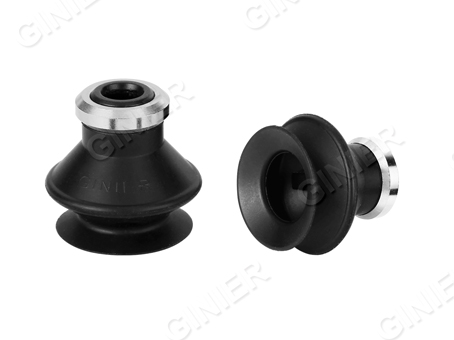
Full-range suction cup series with diversified materials & sizes.
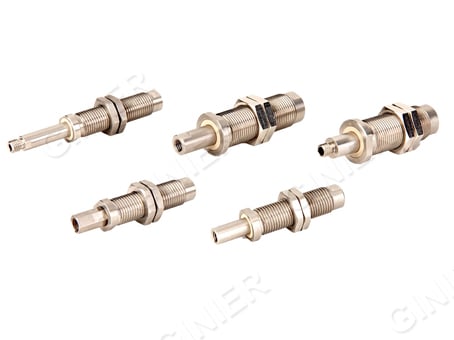
Complete pre-assembled suction fitting product lineup.
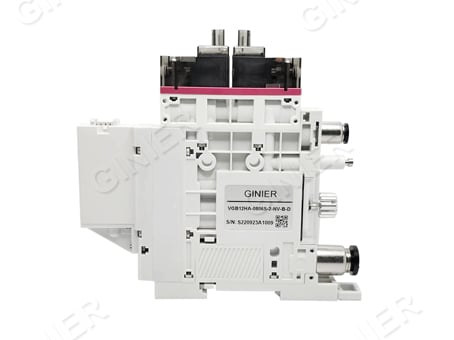
Modular vacuum generator full product portfolio.
 EN
EN