
EN
2026/08/24
Vacuum accessories play a critical role in maintaining system performance and operational reliability across industrial applications. From suction cups to filters, regulators, and hose connections, these vacuum accessories form the backbone of any effective suction-based operation. Without proper attention to these components, even the most robust vacuum system will experience diminished performance, increased downtime, and potential safety hazards. Understanding why vacuum accessories require regular inspection is essential for facility managers, maintenance teams, and procurement professionals who depend on vacuum technology for daily operations.
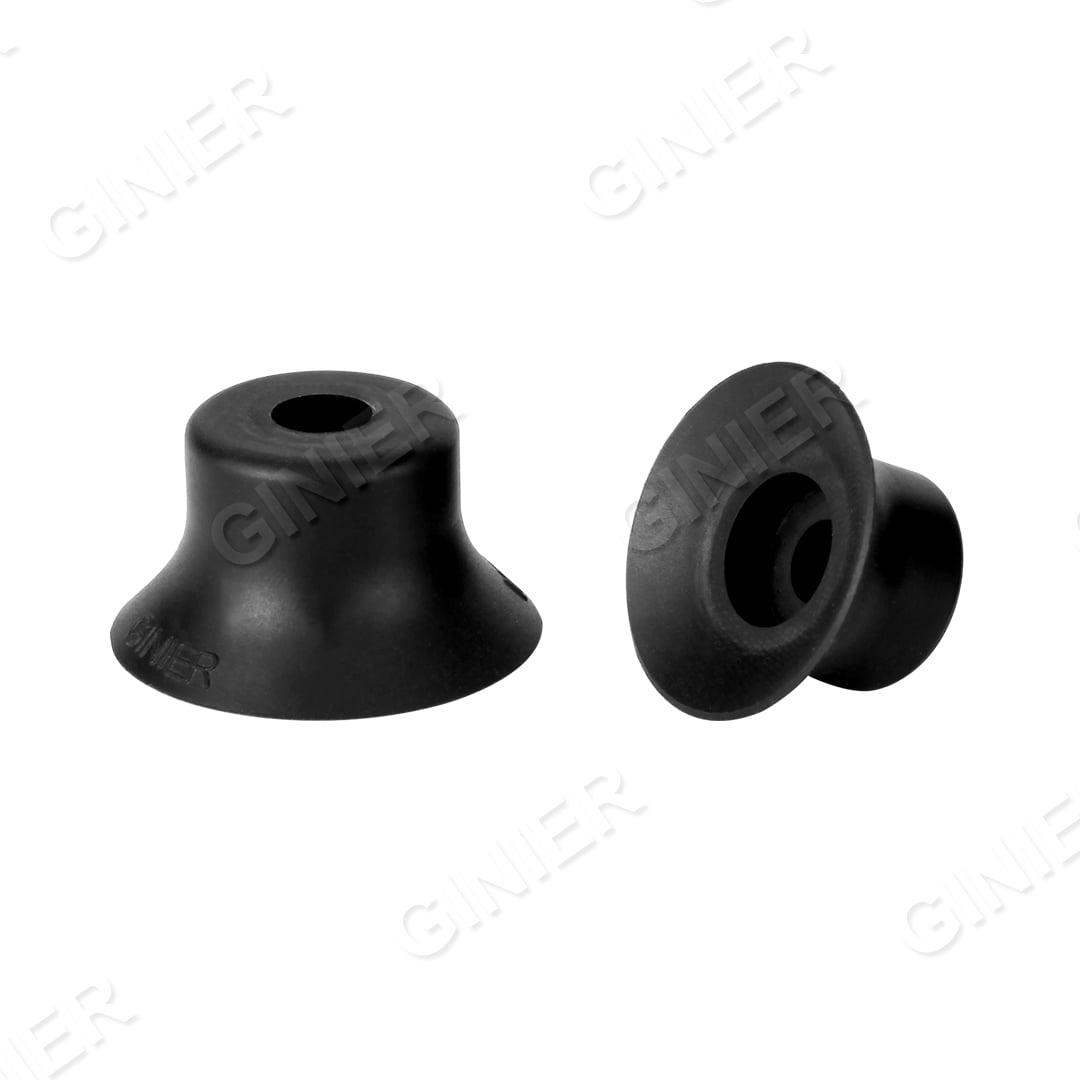
The consequences of neglecting vacuum accessories inspection extend far beyond simple equipment wear. Deteriorating vacuum accessories directly impact production efficiency, product quality, and workplace safety. Regular inspection protocols ensure that every component functions within specification, minimizing unexpected failures and extending the operational lifespan of your entire system. This article explores the compelling reasons why systematic inspection of vacuum accessories should be a non-negotiable element of any maintenance strategy.
Vacuum accessories that have not been inspected regularly often develop wear patterns that progressively reduce suction capability. Damaged suction cups lose their ability to create reliable contact with workpieces, while clogged or deteriorated filters restrict airflow and increase system strain. When vacuum accessories fail to perform optimally, the vacuum pump must work harder to maintain required pressure levels, consuming more energy and generating excess heat. This cascading effect transforms what should be routine maintenance into an efficiency crisis that impacts production schedules and energy budgets simultaneously.
Postponing inspection of vacuum accessories creates hidden financial burdens that accumulate rapidly. Degraded vacuum accessories force the entire system to operate below peak efficiency, increasing energy consumption and operational costs. More importantly, the failure of critical vacuum accessories often triggers emergency maintenance calls, unplanned downtime, and expedited replacement orders that carry premium pricing. A structured inspection routine for vacuum accessories prevents these cost escalations by identifying wear indicators before catastrophic failure occurs, allowing planned maintenance windows rather than reactive emergency interventions.
Inadequately inspected vacuum accessories present genuine safety risks in industrial environments. Deteriorating seals in vacuum accessories can lead to sudden pressure loss, creating unpredictable equipment behavior that endangers operators. Cracked or weakened vacuum accessories components may fail unexpectedly during operation, potentially ejecting parts or allowing uncontrolled depressurization. In applications involving hazardous materials handling, compromised vacuum accessories integrity can result in environmental contamination or operator exposure to dangerous substances. Regular inspection protocols for vacuum accessories establish preventative safeguards that protect both personnel and operational integrity.
Most industrial standards and regulatory frameworks require documented evidence of equipment maintenance and component inspection. Vacuum accessories inspection records demonstrate compliance with occupational safety regulations and quality assurance protocols. Organizations operating in regulated industries such as pharmaceutical, food processing, or automotive manufacturing must maintain detailed logs of vacuum accessories condition and maintenance activities. Implementing a systematic inspection schedule for vacuum accessories not only enhances safety but also creates the documentation trail necessary for regulatory audits and third-party certifications.
Consistent inspection of vacuum accessories significantly extends the overall lifespan of vacuum systems. When vacuum accessories are monitored regularly, minor wear indicators can be addressed before they trigger widespread system damage. For example, detecting filter blockage early allows timely cleaning or replacement before the degradation affects the vacuum pump itself. Similarly, identifying seal deterioration in vacuum accessories components prevents secondary damage to more expensive system elements. This preventative approach transforms vacuum accessories maintenance from a cost center into an investment that measurably reduces total cost of ownership across the equipment lifecycle.
Regular inspection data on vacuum accessories provides the foundation for strategic budget planning and capital allocation decisions. When maintenance teams understand the condition and remaining service life of all vacuum accessories components, they can schedule replacements during planned maintenance windows rather than facing emergency procurement situations. This visibility enables procurement teams to negotiate better pricing through planned orders, consolidate shipments, and maintain adequate inventory buffers. Organizations that invest in systematic vacuum accessories inspection gain the predictability necessary for accurate capital budgeting and strategic asset management planning that aligns with overall operational objectives.
Different industrial applications impose varying demands on vacuum accessories performance characteristics. High-speed automation environments require vacuum accessories that maintain precise pressure tolerances and respond rapidly to suction requirements. Continuous-duty operations in material handling applications stress vacuum accessories components differently than intermittent-use applications in manufacturing facilities. Regular inspection of vacuum accessories ensures that component condition matches the specific performance requirements of your operational environment. Understanding these application-specific demands allows maintenance teams to establish inspection intervals and replacement criteria that align with actual usage patterns rather than following generic maintenance schedules.
Modern industrial vacuum systems often integrate multiple vacuum accessories components working interdependently to achieve overall system objectives. When one element of the vacuum accessories network operates below specification, the entire system performance can degrade progressively. For instance, a single failing suction cup in a multi-cup gripper system forces remaining vacuum accessories to compensate, accelerating their wear rates and creating a cascade of failures. Systematic inspection protocols for vacuum accessories prevent this deterioration cascade by maintaining uniform component condition across the entire system, ensuring that all vacuum accessories operate within their intended performance envelope simultaneously.
Inspection frequency depends on application intensity, environmental conditions, and vacuum accessories type. High-duty applications typically require weekly or bi-weekly visual inspections of vacuum accessories, while less demanding environments may follow monthly or quarterly schedules. Environmental factors such as dust, moisture, or chemical exposure accelerate vacuum accessories wear and necessitate more frequent inspection intervals. Manufacturers typically provide guidance on recommended inspection frequencies for specific vacuum accessories components, and operations teams should establish baseline intervals aligned with their particular usage patterns and operational priorities.
Observable deterioration in vacuum accessories typically manifests through reduced suction force, visible cracks or splits in suction cups, hardened or cracked seals, and discoloration indicating material degradation. Performance metrics such as increased cycle time, inability to maintain pressure under load, or unexplained energy consumption increases often signal underlying vacuum accessories problems. Filter vacuum accessories show signs of required replacement through increased system noise, reduced suction power, or visible contamination inside the filter chamber. Systematic documentation of vacuum accessories condition during routine inspections creates historical records that help operations teams recognize patterns and establish replacement criteria specific to their equipment and environment.
Absolutely. Systematic inspection of vacuum accessories identifies wear progression before catastrophic failure occurs, allowing replacement during planned maintenance windows rather than emergency situations. This proactive approach to vacuum accessories management typically reduces unexpected failures by seventy to eighty percent in facilities with established inspection protocols. Early detection of vacuum accessories degradation prevents secondary damage to connected system components, reduces stress on pumps and motors, and minimizes the unplanned downtime that disrupts production schedules. Organizations implementing comprehensive vacuum accessories inspection programs consistently report improved equipment reliability, reduced maintenance costs, and enhanced operational predictability compared to reactive maintenance approaches.
Explore our core 3 major vacuum product series for automated handling solutions.
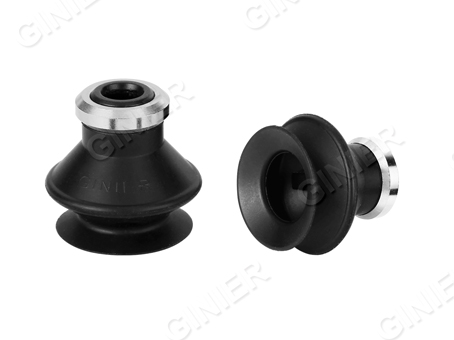
Full-range suction cup series with diversified materials & sizes.
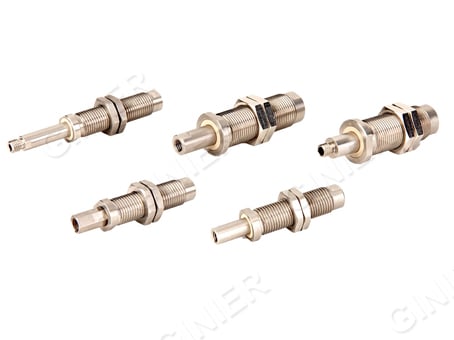
Complete pre-assembled suction fitting product lineup.
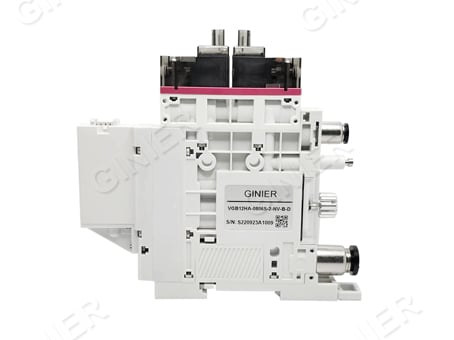
Modular vacuum generator full product portfolio.
 EN
EN