
what-to-do-if-vacuum-suction-cup-adsorption-is-not-firm, what-to-do-if-vacuum-suction-cup-adsorption-is-not-firm, /news
EN
2026/08/24
A vacuum suction cup is one of the most reliable tools for material handling, lifting, and positioning across industrial and manufacturing environments. However, even high-quality systems can experience vacuum suction cup adsorption loss over time, leading to workflow disruptions, safety concerns, and costly downtime. Understanding the root causes of a weak vacuum suction cup and knowing how to restore optimal performance is essential for any operation that depends on these critical components.
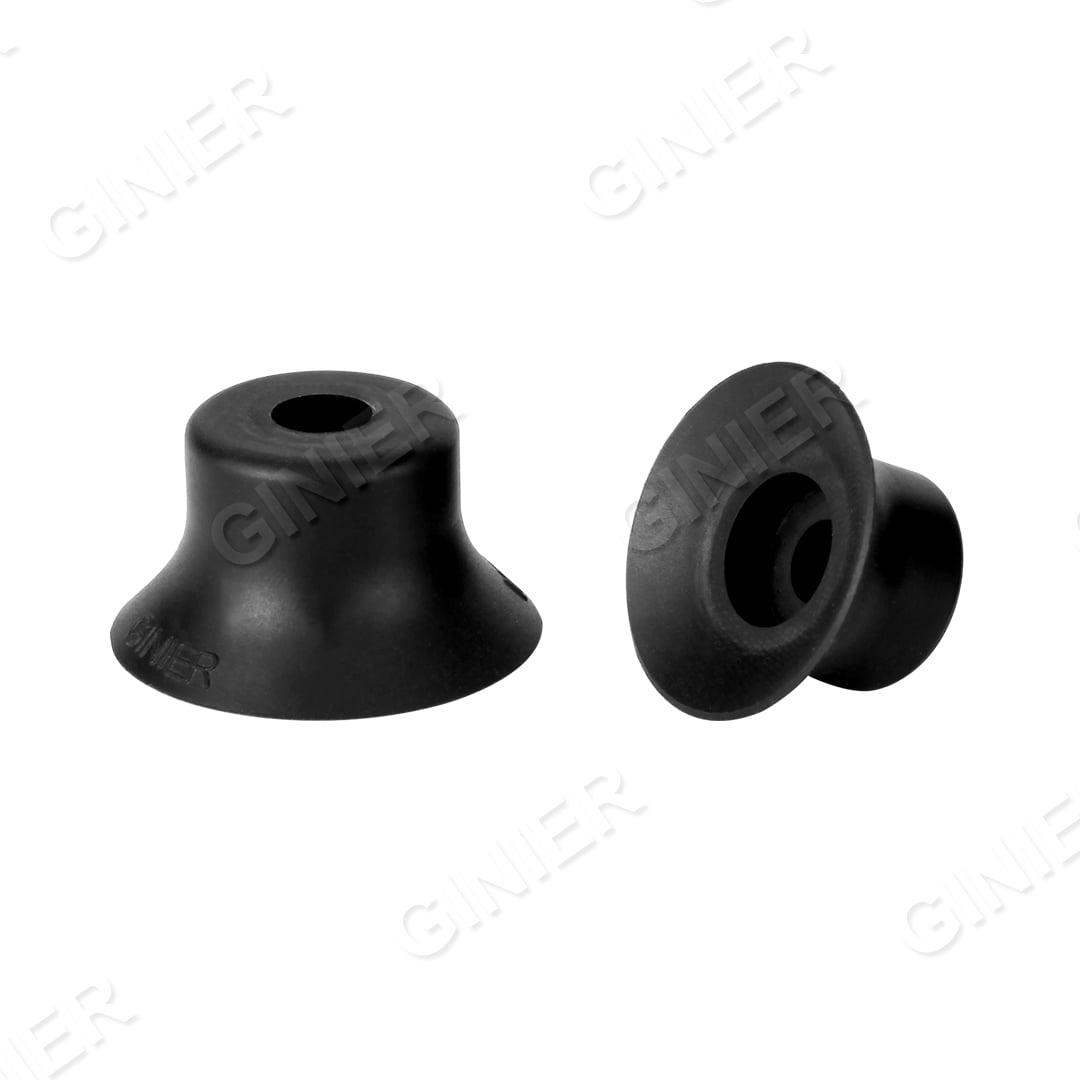
The reality is that performance depends on multiple interconnected factors. Surface condition, seal integrity, air pressure consistency, and environmental variables all play crucial roles in maintaining firm vacuum suction cup adsorption. When grip weakens, the issue rarely stems from a single cause. This article walks you through the most common problems that affect holding power and provides actionable solutions to restore reliable performance.
One of the most frequent reasons why a weak vacuum suction cup encounters vacuum suction cup adsorption failure is surface contamination. Dust, oil residue, moisture, paint particles, and manufacturing debris create an invisible barrier between the cup and the workpiece. Even microscopic imperfections prevent a vacuum suction cup from forming an airtight seal. When surfaces are contaminated, the system cannot draw sufficient air pressure to hold the load firmly. This is particularly problematic in environments with high dust or oily residues.
To prevent this issue, establish a regular cleaning protocol before each vacuum suction cup application. Use lint-free cloths, mild solvents appropriate for your material type, and inspect surfaces under good lighting. For stubborn contaminants, mild abrasive pads can restore surface texture, but avoid aggressive scrubbing that damages the workpiece. When a vacuum suction cup begins showing reduced holding power, surface cleaning should always be your first diagnostic step.
The elastomer material in a vacuum suction cup seal degrades naturally over time through repeated compression cycles, UV exposure, and temperature fluctuations. Once the seal integrity compromises, the vacuum suction cup cannot maintain the pressure differential needed for firm adsorption. You might notice the cup losing grip gradually or suddenly after months of reliable service. A worn vacuum suction cup seal often appears visibly flattened, cracked, or discolored compared to new cups.
Inspect your vacuum suction cup seals monthly and replace them when you observe signs of wear. High-use operations should maintain a stock of replacement cups to minimize downtime. The cost of preventive replacement is minimal compared to the expense of a dropped load or production halt. A vacuum suction cup with compromised seal integrity should never be used for critical lifting operations.
Even a properly maintained unit requires adequate system pressure to function effectively. If your air compressor or vacuum pump is undersized, not properly calibrated, or experiencing mechanical issues, you will face severe vacuum system pressure issues. Most industrial applications require between 0.7 and 0.9 bar of vacuum pressure, though specifications vary by cup size and material type. Low system pressure is a primary culprit when vacuum system pressure issues deteriorate overall performance across multiple units simultaneously.
Check your vacuum suction cup system pressure regularly using a calibrated gauge. Compare current readings against manufacturer specifications and verify that your compressor or pump delivers consistent flow rates. Listen for unusual sounds from the pump, which may indicate internal wear. If pressure readings fall below specification, service the air supply equipment before replacing working vacuum suction cup units.
Tiny leaks in tubing, fittings, or connection points drain pressure that should reach your equipment. A pinhole-sized leak may not seem significant but can reduce available holding force by 20 to 40 percent. If your system suffers from persistent vacuum system pressure issues, unaddressed air leaks can quickly result in a suction cup not holding its workpiece securely. Inspect all hoses, quick-disconnect couplers, and solenoid valves for signs of damage, loose fittings, or corrosion. Apply soapy water to suspected leak points while the system runs; bubbles will reveal hidden leaks that affect your operations.
Replace damaged tubing and tighten all fittings before your next vacuum suction cup operation. Consider upgrading to higher-quality hose materials if your current system experiences frequent leaks. Proper maintenance of air lines is as critical as maintaining the vacuum suction cup itself, since pressure loss upstream directly reduces adsorption capability downstream.
Establish a documented preventive maintenance program specifically for your vacuum suction cup equipment. Daily visual inspections should note any visible cracks, discoloration, or loss of elasticity in the cup material. Weekly checks should include surface cleaning, pressure gauge readings, and air line inspection. Monthly deep maintenance should involve removing vacuum suction cup units for thorough inspection, replacing worn seals, and testing adsorption force on scrap materials before returning to production.
Create a maintenance log that tracks when each vacuum suction cup unit was installed, serviced, or replaced. This historical data helps you predict component failure patterns and optimize replacement cycles. When vacuum suction cup performance issues arise unexpectedly, your maintenance records provide valuable diagnostics about what changed in your system recently.
How you store vacuum suction cup units between uses significantly impacts their lifespan and performance reliability. Store cups in a cool, dry environment protected from direct sunlight, extreme heat, and ozone-generating equipment. Temperature extremes and UV exposure accelerate elastomer degradation in vacuum suction cup materials, reducing seal integrity and adsorption capability. Never stack heavy objects on stored cups, as this permanently deforms the elastomer and compromises vacuum suction cup function.
If your production environment experiences temperature swings or high humidity, install cups only after they acclimate to operating temperature. Cold vacuum suction cup materials are stiffer and may not form effective seals immediately. Many industrial facilities benefit from climate-controlled storage areas that extend vacuum suction cup service life significantly and maintain consistent performance.
Partial grip loss usually indicates a slow air leak developing in the seal or a contaminated surface that gradually compromises the system during the hold period. If you notice a suction cup not holding reliably through a full cycle, start by cleaning the contact surface thoroughly. If grip loss continues, you are likely dealing with a weak vacuum suction cup or an underlying vacuum cup seal failure.
A vacuum suction cup with permanently weakened adsorption cannot be reliably restored to original performance. While temporary surface cleaning might marginally improve vacuum suction cup grip, a compromised elastomer seal requires replacement. Attempting to use a failed vacuum suction cup in critical applications risks dropped loads and safety incidents. Replacement is the only dependable solution for restoring full vacuum suction cup functionality.
Replacement frequency depends on usage intensity, material type being handled, and environmental conditions. Light-duty vacuum suction cup applications may maintain performance for one to two years, while heavy industrial use might require replacement every three to six months. Monitor your vacuum suction cup performance metrics regularly and replace units before they fail completely. Preventive replacement of marginally weakened cups prevents unexpected downtime and maintains safety standards.
Explore our core 3 major vacuum product series for automated handling solutions.
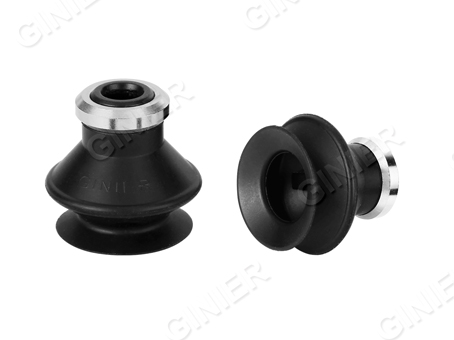
Full-range suction cup series with diversified materials & sizes.
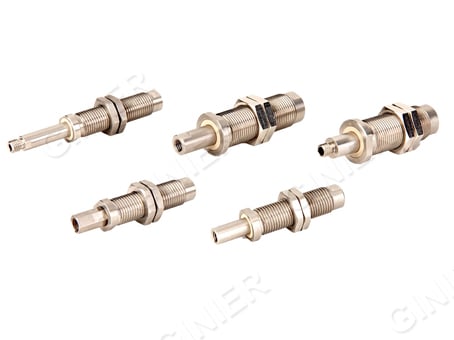
Complete pre-assembled suction fitting product lineup.
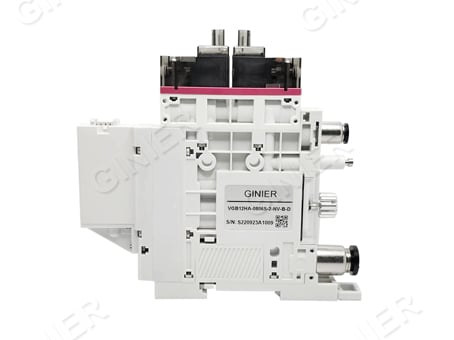
Modular vacuum generator full product portfolio.
 EN
EN