
EN
2026/08/21
A vacuum ejector is a critical component in many industrial systems, designed to create suction and remove gases or liquids efficiently. Like all precision equipment, maintaining a vacuum ejector requires consistent attention and planned maintenance to ensure reliable performance and extend its operational lifespan. Understanding the maintenance requirements for your vacuum ejector is essential for avoiding costly downtime and system failures in your production environment.
Proper maintenance of a vacuum ejector involves several interconnected practices, from routine cleaning to inspecting internal components. The specific maintenance schedule depends on your operating conditions, application type, and the design of your vacuum ejector unit. By establishing a structured maintenance plan early, you can prevent premature wear, maintain consistent suction force, and reduce unexpected repair costs.
Implementing a rigorous schedule for vacuum ejector cleaning is one of the most straightforward yet effective maintenance practices. Over time, dust, debris, and residual particles accumulate in the inlet and discharge ports. Routine vacuum ejector cleaning through daily visual inspection and weekly internal flushing helps prevent blockages that reduce performance and extend equipment life.
For applications where your vacuum ejector encounters wet or oily substances, scheduled cleaning becomes even more critical. Moisture trapped inside the vacuum ejector can promote corrosion and damage internal seals. Compressed air or nitrogen purging should be performed at the end of each shift in high-contamination environments. This simple step dramatically extends the operational life of your vacuum ejector and maintains stable suction levels.
Most systems include intake filters designed to trap large particles before they enter the core unit. Ensuring timely vacuum ejector filter replacement is critical because these components require regular inspection according to manufacturer guidelines. A blocked component prevents proper suction, and planning for regular vacuum ejector filter replacement avoids unexpected downtime compared to the high cost of repairing a damaged unit.
The frequency of filter changes depends on your working environment. In dusty industrial settings, you may need to clean or replace your vacuum ejector filter every few days. In cleaner environments, monthly inspection may suffice. Always follow the maintenance schedule provided with your vacuum ejector documentation to avoid unexpected performance degradation during critical production runs.
The seals within your vacuum ejector are responsible for maintaining suction pressure and preventing air leaks. Over time, rubber seals deteriorate due to temperature fluctuations, chemical exposure, and normal wear cycles. Monthly visual inspection of seal surfaces on your vacuum ejector can identify cracks, flattening, or visible wear. If seals appear damaged, your vacuum ejector should be serviced immediately to restore full performance.
Connectors and threaded joints on your vacuum ejector can loosen due to vibration and thermal cycling during normal operation. Check all connection points regularly using appropriate tools to ensure they remain tight. A vacuum ejector with loose connections may develop small leaks that compromise suction efficiency. Tightening loose fittings is a quick preventive measure that prevents larger problems from developing.
Your vacuum ejector should maintain consistent suction force under normal operating conditions. A noticeable drop in suction power is often the first sign that maintenance is needed. Compare current performance metrics against baseline readings taken when your vacuum ejector was new or recently serviced. Most modern vacuum ejector systems include pressure gauges that allow real-time performance monitoring.
Unusual sounds, vibration patterns, or temperature increases indicate that your vacuum ejector may require internal inspection. These symptoms suggest wear in bearings, internal impeller damage, or partial blockage within the vacuum ejector unit. Addressing these warning signs promptly prevents complete failure and allows you to schedule repairs during planned maintenance windows rather than during emergency shutdowns.
Preventive Maintenance and Long-Term Care Adopting a structured framework of preventive maintenance vacuum ejector protocols ensures long-term operational reliability. Some models include bearings or rotating components that require periodic attention, while overall preventive maintenance vacuum ejector schedules help catch wear early through careful temperature and vibration monitoring. Consult your equipment manual to determine if your vacuum ejector needs oil or grease applications and at what intervals. Over-lubrication can trap debris inside your vacuum ejector and cause damage, while under-lubrication accelerates bearing wear. Follow manufacturer specifications precisely when servicing the lubricating components of your vacuum ejector.
Temperature monitoring of bearing housings is an effective maintenance technique for detecting lubrication problems early. If a bearing on your vacuum ejector runs noticeably hotter than it should, inadequate lubrication or internal friction may be the cause. Infrared thermometers allow non-contact temperature monitoring of your vacuum ejector bearings, helping you catch issues before catastrophic failure occurs.
Beyond routine cleaning and inspection, your vacuum ejector should undergo professional service at intervals recommended by the manufacturer, typically annually or after a specified operating hours threshold. Professional technicians can perform deep internal cleaning, replace worn internal components, and certify that your vacuum ejector meets original performance specifications. Preventive professional servicing costs far less than emergency repairs and unplanned production downtime.
During professional service, technicians typically disassemble your vacuum ejector, inspect all internal surfaces for damage or excessive wear, replace any seals or gaskets that show deterioration, and perform thorough cleaning of internal passages. Documentation from professional servicing creates a maintenance history for your vacuum ejector, which is valuable when troubleshooting future issues or assessing whether replacement is more economical than continued repair.
Cleaning frequency for your vacuum ejector depends on your operating environment. In dusty or contamination-heavy applications, daily external cleaning and weekly internal flushing are recommended. In cleaner settings, weekly external inspection and monthly internal cleaning may be sufficient. Always monitor performance indicators on your vacuum ejector and increase cleaning frequency if suction power drops noticeably between scheduled maintenance intervals.
Warning signs that your vacuum ejector requires immediate attention include sudden loss of suction force, unusual grinding or squealing noises, excessive vibration, or higher-than-normal operating temperature. Visible leaks around connection points or seals on your vacuum ejector also warrant prompt professional inspection. Addressing these symptoms quickly prevents further damage and restores safe, reliable operation of your vacuum ejector system.
Basic maintenance tasks like vacuum ejector cleaning, routine component checks, and timely vacuum ejector filter replacement can typically be performed by trained operators. However, comprehensive preventive maintenance vacuum ejector schedules and internal repairs should be handled by qualified technicians. Sticking to a structured preventive maintenance vacuum ejector plan ensures your warranty remains valid and guarantees proper performance.
Explore our core 3 major vacuum product series for automated handling solutions.
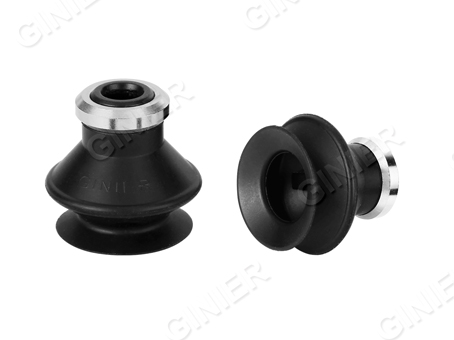
Full-range suction cup series with diversified materials & sizes.
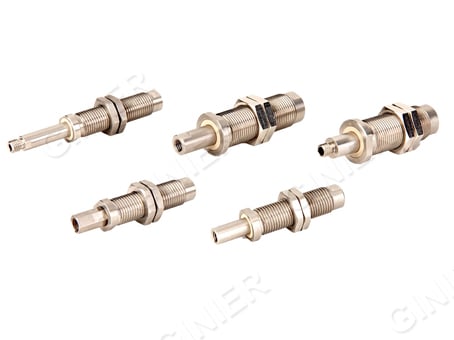
Complete pre-assembled suction fitting product lineup.
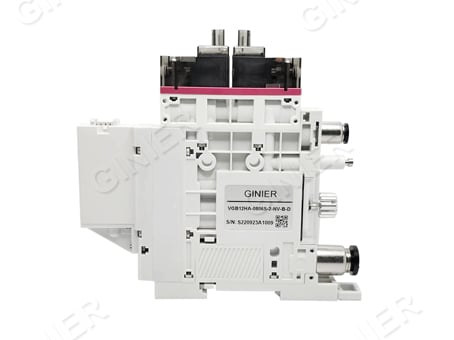
Modular vacuum generator full product portfolio.
 EN
EN