
what-is-the-working-principle-of-pneumatic-suction-cups, what-is-the-working-principle-of-pneumatic-suction-cups, /news
EN
2026/09/02
A pneumatic suction cup operates through a carefully engineered vacuum mechanism that creates a pressure differential between the inside and outside of the cup. Understanding how a pneumatic suction cup functions is essential for engineers, manufacturers, and automation specialists who rely on these components for material handling, assembly operations, and robotic applications. The fundamental principle behind a pneumatic suction cup involves air evacuation, adhesion force generation, and controlled release through pneumatic technology.
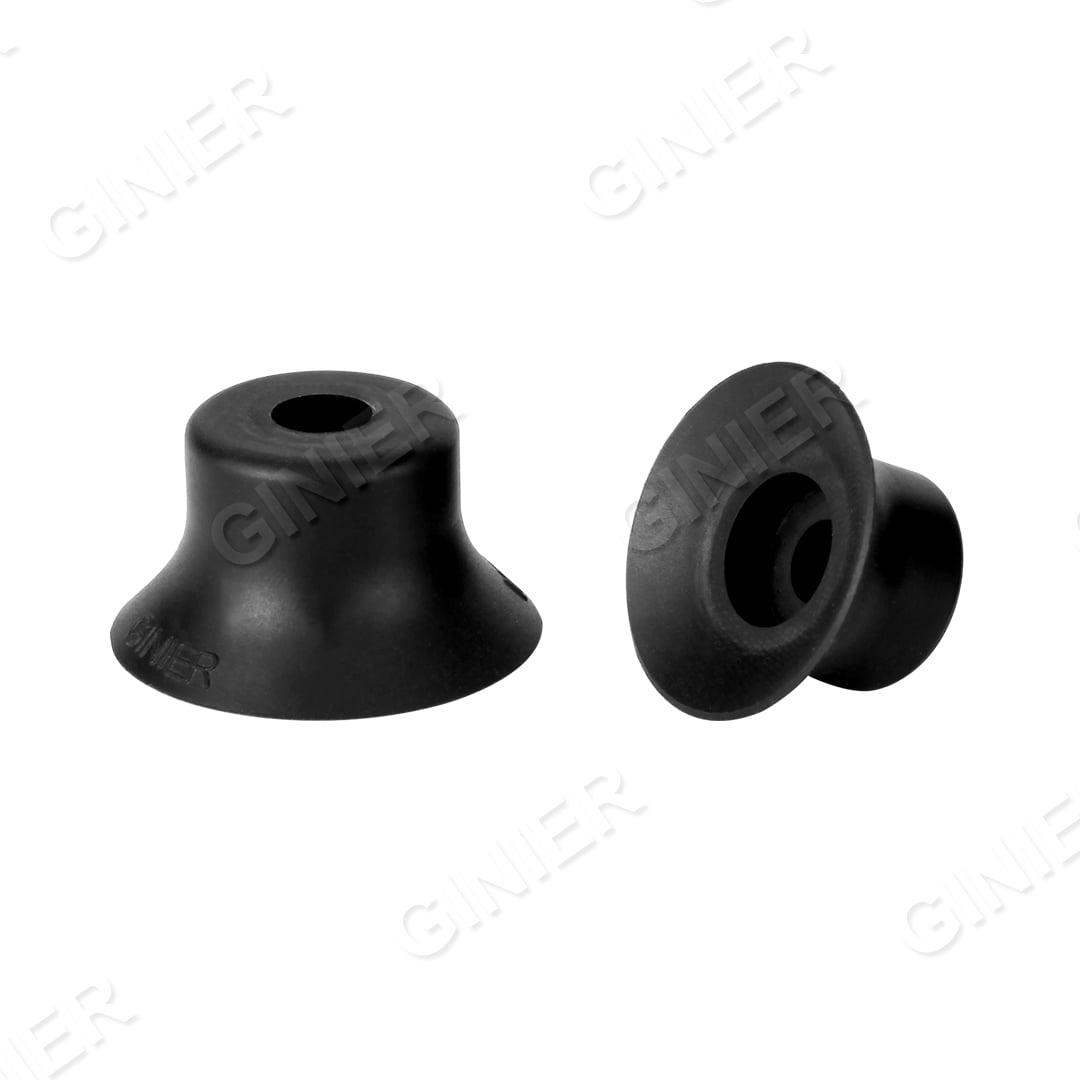
The working principle of a pneumatic suction cup has revolutionized industrial automation and material handling across manufacturing, packaging, and logistics sectors. By harnessing compressed air to generate vacuum force, a pneumatic suction cup provides reliable, fast, and cost-effective gripping solutions. This article explores the complete working mechanism, key operational components, and practical applications of pneumatic suction cup technology.
The primary function of a pneumatic suction cup begins with vacuum generation through air evacuation. When compressed air enters the cup through an inlet valve, it forces the internal air out through exhaust ports, creating a low-pressure zone inside the cup. This pneumatic suction cup design relies on the pressure differential between atmospheric pressure outside and the reduced pressure inside to generate adhesive force. The stronger the vacuum created within the pneumatic suction cup chamber, the greater the holding force applied to the target surface.
The air flow rate and cup volume determine how quickly a pneumatic suction cup achieves full vacuum. Larger diameter cups generate greater total force because they expose more surface area to atmospheric pressure. Engineers selecting a pneumatic suction cup must calculate the required holding force by multiplying the vacuum pressure differential by the effective cup area. This pneumatic suction cup calculation ensures that the component can safely support the weight and dynamic forces of the intended load.
A pneumatic suction cup maintains adhesion through the pressure differential created between the sealed chamber and external atmospheric pressure. When a pneumatic suction cup achieves approximately 0.8 bar of vacuum, it generates approximately 80 kilopascals of holding force per square centimeter of contact area. This pneumatic suction cup force remains consistent as long as the seal remains intact and the vacuum is maintained. Industrial applications requiring intermittent lifting often use multiple pneumatic suction cup units arranged in arrays to increase total holding capacity.
The effectiveness of a pneumatic suction cup depends critically on surface contact quality and seal integrity. A pneumatic suction cup with a worn or damaged sealing edge loses vacuum rapidly, reducing holding force significantly. Operators and maintenance technicians must regularly inspect pneumatic suction cup components for damage, wear, or contamination that compromises the seal. Materials used in pneumatic suction cup construction, typically silicone or nitrile rubber, directly affect durability and performance across different temperature ranges and chemical environments.
A pneumatic suction cup integrates with directional control valves that regulate air flow, enabling precise grab and release cycles. The control system of a pneumatic suction cup typically includes a solenoid valve that switches between evacuation mode and venting mode. When activated, the pneumatic suction cup receives compressed air that evacuates internal air, generating vacuum. Upon deactivation, the solenoid valve opens exhaust ports, allowing atmospheric pressure to enter and release the held object.
The response time of a pneumatic suction cup depends on valve responsiveness, air line diameter, and chamber volume. Larger pneumatic suction cup systems may require pilot-operated valves to handle higher air flow volumes efficiently. Advanced pneumatic suction cup control systems include pressure regulators that adjust vacuum levels for handling delicate materials without applying excessive force. This flexibility makes pneumatic suction cup technology suitable for applications ranging from heavy material handling to precise electronics assembly.
Safety considerations in pneumatic suction cup applications require fail-safe mechanisms that prevent unintended object release during power loss or air supply interruption. Some pneumatic suction cup designs incorporate check valves that maintain vacuum even if the air supply disconnects, holding the load until manual release is activated. Emergency release systems on pneumatic suction cup installations allow operators to manually vent the vacuum if required. Redundant pneumatic suction cup units in critical applications ensure that partial system failure does not cause complete load drop.
Proper pneumatic suction cup installation includes safety guards and load detection sensors that monitor holding force continuously. Industrial standards for pneumatic suction cup systems specify that maximum holding time must account for potential seal degradation over extended periods. A pneumatic suction cup experiencing slow vacuum loss should trigger alarm conditions, alerting operators to maintenance requirements before failure occurs. This preventive approach minimizes safety risks and extends pneumatic suction cup service life.
Pneumatic suction cup technology enables high-speed automated material handling in manufacturing environments where mechanical grippers prove insufficient. Robot-mounted pneumatic suction cup systems handle irregular shapes, flexible materials, and delicate components that conventional clamps would damage. Automotive assembly lines widely deploy pneumatic suction cup technology for positioning sheet metal, moving glass panels, and transporting interior components. Food processing and pharmaceutical industries utilize pneumatic suction cup systems on stainless steel configurations for hygienic handling of packaged products.
The adoption of pneumatic suction cup systems in pick-and-place operations significantly increases production throughput by reducing cycle times. A pneumatic suction cup can engage and disengage loads within fractions of a second, enabling rapid sequential operations. Packaging machinery commonly integrates pneumatic suction cup arrays to handle multiple items simultaneously across conveyor systems. Distribution centers increasingly deploy pneumatic suction cup technology on collaborative robots for palletizing and depalletizing operations.
The performance of a pneumatic suction cup depends significantly on the surface characteristics of the material being handled. A pneumatic suction cup achieves optimal performance on smooth, non-porous surfaces such as glass, polished metals, and plastic films. Rough or porous surfaces reduce the seal effectiveness of a pneumatic suction cup, necessitating larger cup diameters or higher vacuum levels. Some specialized pneumatic suction cup designs feature ribbed or textured sealing surfaces that improve grip on marginally suitable materials.
Environmental factors including temperature, humidity, and chemical exposure influence pneumatic suction cup selection and maintenance intervals. A pneumatic suction cup operating in extreme heat requires high-temperature resistant elastomers such as fluorosilicone or perfluoroelastomer compounds. Conversely, a pneumatic suction cup deployed in cold environments may require flexible elastomers that maintain elasticity at low temperatures. Chemical compatibility assessment ensures that a pneumatic suction cup material can withstand exposure to solvents, oils, or cleaning solutions present in the work environment.
A single pneumatic suction cup typically generates between 0.5 to 1.0 bar of vacuum, producing holding forces ranging from 50 to 100 kilopascals per square centimeter of contact area. The actual pneumatic suction cup force depends on cup diameter, vacuum level achieved, surface contact quality, and seal integrity. A 100 millimeter diameter pneumatic suction cup at full vacuum can hold approximately 78 kilograms on a smooth horizontal surface. Industrial applications requiring higher holding capacity deploy multiple pneumatic suction cup units in parallel arrays to achieve cumulative force.
The vacuum achievement time for a pneumatic suction cup typically ranges from 50 to 200 milliseconds depending on cup volume, air line diameter, and compressor pressure. Smaller diameter pneumatic suction cup units achieve vacuum faster than larger cups due to reduced chamber volume. Optimizing pneumatic suction cup response time requires appropriately sized air lines, responsive solenoid valves, and adequate compressor capacity. High-speed automation applications may require specialized pneumatic suction cup designs engineered specifically for rapid evacuation and release cycles.
A pneumatic suction cup functions poorly on highly porous or textured surfaces because the air seal cannot form completely around the contact perimeter. Rough surfaces allow compressed air to leak around the pneumatic suction cup sealing edge, preventing adequate vacuum generation. Some manufacturers offer specialized pneumatic suction cup designs with larger contact areas or multiple smaller cups to improve grip on marginal surfaces. For consistently difficult surfaces, mechanical grippers or hybrid pneumatic suction cup systems combining suction with mechanical clamping prove more reliable than suction alone.
Explore our core 3 major vacuum product series for automated handling solutions.
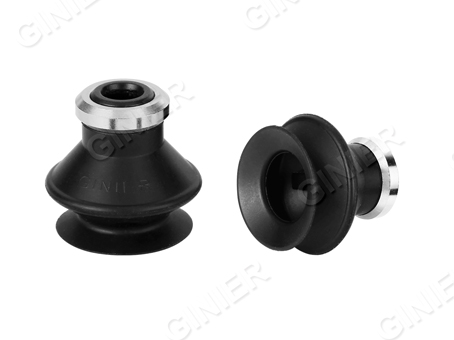
Full-range suction cup series with diversified materials & sizes.
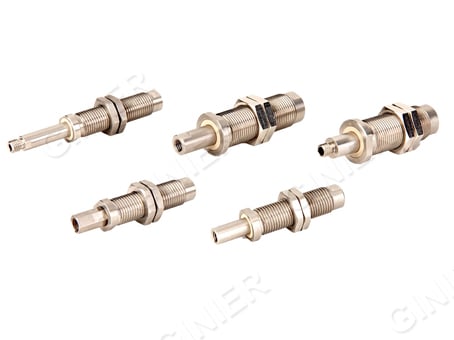
Complete pre-assembled suction fitting product lineup.
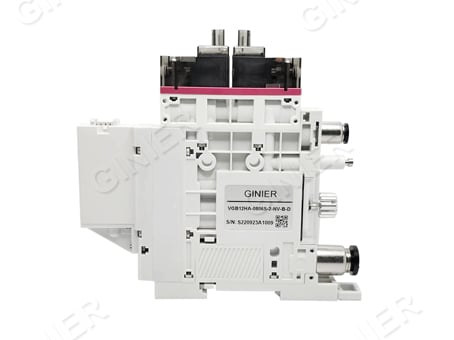
Modular vacuum generator full product portfolio.
 EN
EN