
what-is-the-role-of-vacuum-ejector-in-endofarm-tooling, what-is-the-role-of-vacuum-ejector-in-endofarm-tooling, /news
EN
2026/08/21
The vacuum ejector represents a critical component in modern end-of-arm tooling systems, enabling efficient material handling and precise object manipulation across diverse industrial applications. Understanding the role of a vacuum ejector in end-of-arm tooling is essential for manufacturers seeking to optimize their automation processes and improve operational efficiency. A vacuum ejector functions as the core suction generation mechanism that powers vacuum-based gripping systems, allowing robotic arms and automated equipment to handle fragile, smooth, or irregularly shaped components without damage or product loss.
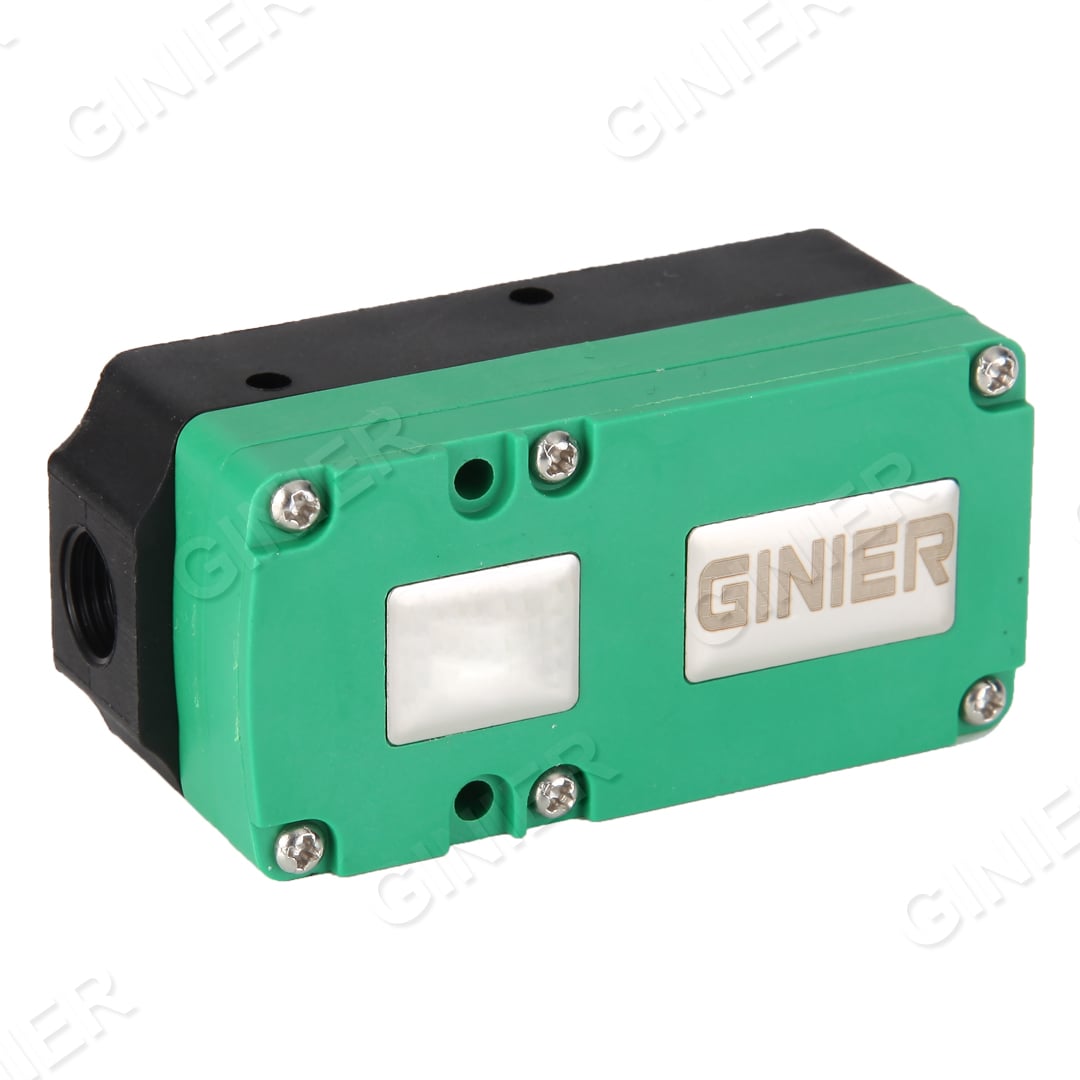
In end-of-arm tooling configurations, a vacuum ejector works by creating negative pressure that adheres objects to suction cups or gripping surfaces. This technology eliminates the need for mechanical gripper fingers that might damage sensitive products or fail to grip non-standard geometries. The vacuum ejector transforms compressed air into a reliable suction force, making it indispensable for applications ranging from glass handling to semiconductor processing.
A vacuum ejector operates on the principle of converting compressed air flow into vacuum pressure through a specialized jet-mixing design. When pressurized air passes through the vacuum ejector's internal channels, it creates a low-pressure zone that draws surrounding air, producing sustained suction at the output port. This vacuum ejector design ensures rapid pressure buildup and stable holding force without requiring separate vacuum pump infrastructure, making it highly efficient for end-of-arm tooling applications. The vacuum ejector's pneumatic operation means it integrates seamlessly with existing compressed air systems already present in most manufacturing facilities.
The vacuum ejector connects directly to suction cup arrays, allowing end-of-arm tooling to grip multiple items simultaneously or apply controlled holding force to single components. Within end-of-arm tooling assemblies, the vacuum ejector sits upstream of manifolds and cup arrangements, controlling the suction intensity and enabling quick release cycles. The vacuum ejector's compact footprint makes it ideal for space-constrained robotic end effectors, allowing engineers to design lighter, more responsive tooling assemblies that reduce cycle times and energy consumption.
One fundamental role of a vacuum ejector in end-of-arm tooling is protecting product integrity during automated handling operations. Unlike mechanical grippers that apply localized pressure, a vacuum ejector distributes holding force evenly across the contact surface, preventing scratches, dents, or deformation on delicate surfaces. Industries handling glass, mirrors, polished metals, or coated materials rely heavily on vacuum ejector technology to maintain zero-defect handling standards. The vacuum ejector's gentle suction approach preserves product aesthetics and functionality, directly supporting quality assurance and customer satisfaction metrics.
A vacuum ejector enables end-of-arm tooling to handle objects that traditional mechanical grippers cannot reliably grasp, including flat sheets, irregular shapes, and soft materials. The vacuum ejector's flexibility allows manufacturers to process diverse product variants without redesigning gripper hardware for each part type. By employing multiple suction cup configurations with a single vacuum ejector system, end-of-arm tooling can adapt to changing production demands rapidly. This adaptability directly translates to reduced setup time, lower tooling costs, and greater manufacturing agility in dynamic market conditions.
The vacuum ejector accelerates gripper response times by creating consistent, predictable suction forces that eliminate pneumatic delays inherent in traditional vacuum pump systems. Fast vacuum buildup allows end-of-arm tooling to complete pick, transfer, and release cycles in minimal seconds, improving overall production throughput. The vacuum ejector's responsiveness enables synchronized multi-axis movements without waiting for pressure stabilization, allowing robots to maintain peak operational speed. Manufacturing facilities deploying vacuum ejector-based end-of-arm tooling typically achieve productivity improvements of fifteen to twenty-five percent compared to mechanical gripper alternatives.
A vacuum ejector consumes significantly less compressed air than traditional vacuum pump systems, directly reducing energy bills and compressed air demand across the facility. The vacuum ejector's efficient air-to-vacuum conversion minimizes waste heat generation and extends compressor service life by reducing system demand. Facilities implementing vacuum ejector technology in end-of-arm tooling report energy savings ranging from thirty to forty percent in their pneumatic operations. Lower operating costs combined with reduced maintenance requirements make vacuum ejector systems economically attractive for both new installations and retrofitting existing automation infrastructure.
The vacuum ejector design includes no moving internal parts, eliminating common failure modes associated with mechanical vacuum pumps and variable displacement systems. End-of-arm tooling equipped with a vacuum ejector requires minimal preventive maintenance beyond periodic filter inspection and compressed air conditioning checks. The vacuum ejector's mechanical simplicity ensures consistent performance across thousands of operational cycles, supporting continuous manufacturing processes with minimal downtime. This reliability advantage is particularly valuable in food processing, pharmaceutical production, and medical device manufacturing, where production disruptions carry significant financial penalties.
A vacuum ejector provides scalable suction capacity, allowing manufacturers to expand production lines by simply adding more suction cups or increasing supply air pressure within safe operating ranges. The vacuum ejector's pneumatic foundation aligns with existing industrial infrastructure, avoiding costly electrical modifications or new utility installations. As production demands evolve, end-of-arm tooling incorporating vacuum ejector technology can adapt through software-controlled pressure regulation and cup configuration changes without complete system replacement. This forward compatibility makes vacuum ejector-based tooling a prudent long-term investment for growing manufacturing operations.
A vacuum ejector generates suction force by converting compressed air into negative pressure, enabling end-of-arm tooling to grip, hold, and manipulate objects through vacuum suction rather than mechanical clamping, making it ideal for handling fragile or delicate components.
A vacuum ejector uses pneumatic principles to create vacuum on-demand with no moving internal parts, offering faster response times, lower energy consumption, and minimal maintenance compared to mechanical vacuum pumps that require periodic servicing and eventual replacement.
Yes, a vacuum ejector integrates directly with standard pneumatic systems, requiring only pressurized air supply and basic air filtering, making installation straightforward and cost-effective for existing manufacturing facilities.
Explore our core 3 major vacuum product series for automated handling solutions.
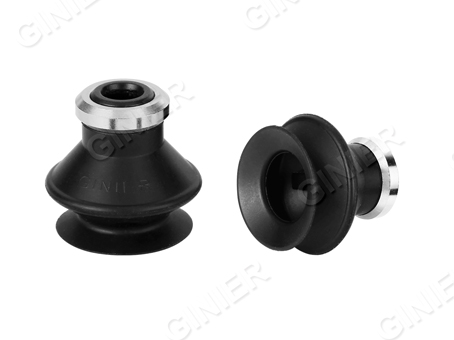
Full-range suction cup series with diversified materials & sizes.
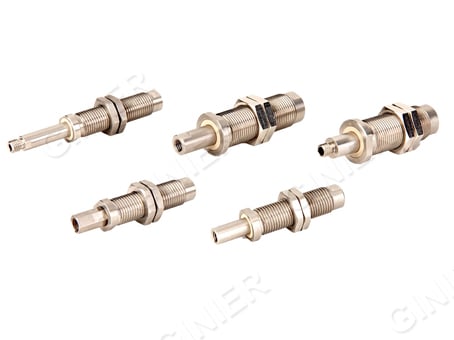
Complete pre-assembled suction fitting product lineup.
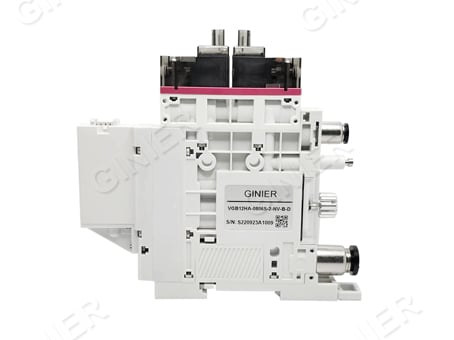
Modular vacuum generator full product portfolio.
 EN
EN