
EN
2026/08/24
Storing a vacuum pad storage method correctly is essential for maintaining its suction power and extending its operational lifespan. Many industrial facilities and manufacturing operations overlook proper storage practices, leading to premature deterioration of these critical components. A vacuum pad serves as the interface between your vacuum lifting system and the load being handled, making its condition directly impact safety, efficiency, and material handling reliability.
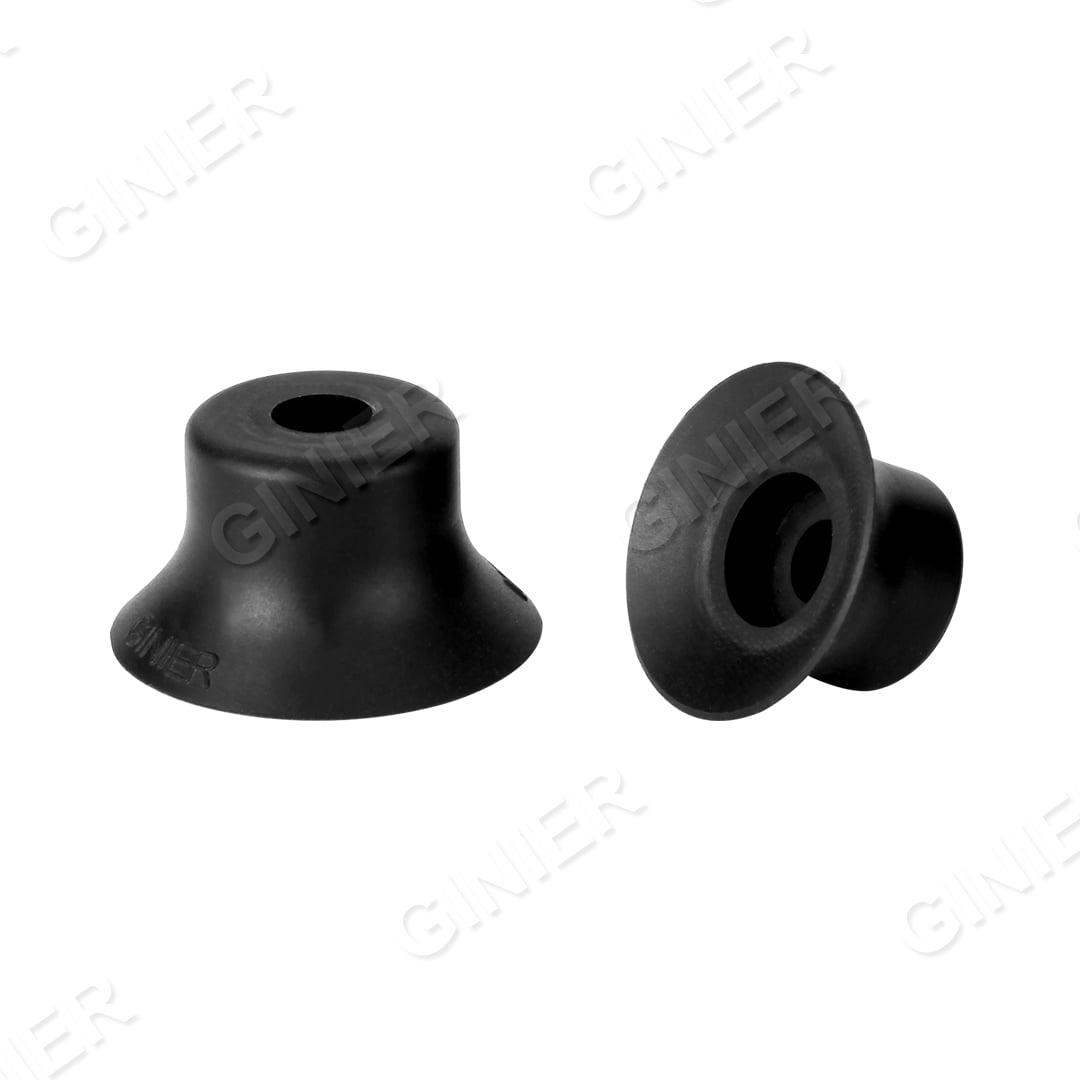
The longevity of your equipment depends largely on environmental conditions, handling practices, and storage methodology. Unlike other industrial equipment that can tolerate varied storage environments, these components require specific conditions to preserve elasticity, sealing capability, and overall functionality. Following structured vacuum pad storage protocols can reduce replacement frequency by 30% to 50%, depending on usage intensity and operational demands.
Temperature fluctuations pose one of the greatest risks to elastomer integrity. Extreme heat causes materials to harden and lose flexibility, while cold temperatures can make components brittle. The ideal storage temperature for a vacuum pad ranges between 15°C and 25°C, with minimal variation to prevent material stress. Proper vacuum pad storage ensures that these parameters remain stable over time.
Humidity levels also significantly influence durability. High humidity encourages mold growth and degrades adhesive bonding, while extremely dry conditions cause materials to become less resilient. Following strict elastomer storage guidelines helps maintain humidity between 40% and 60%, ensuring the elastomer remains pliable and maintains its sealing properties.
Dust, oils, and chemical vapors can permanently damage a vacuum pad's surface. Store your vacuum pad in a clean, dedicated space away from manufacturing floors, chemical storage areas, and locations prone to airborne particles. Even small contaminants can compromise the vacuum pad's ability to create an airtight seal, reducing suction efficiency and load-holding reliability.
When implementing industrial vacuum cup maintenance alongside inventory warehousing, use sealed storage containers or climate-controlled cabinets. This protective approach prevents accidental damage from spills, fumes, or dust contamination that could otherwise render components unusable for precision lifting applications.
Never stack heavy items directly on top of sensitive sealing faces, as compression distorts the surface and creates permanent deformations. Store each unit horizontally on a clean, flat surface, or hang it vertically using appropriate fixtures designed for this purpose. When practicing proper vacuum pad storage, ensure the mounting surface faces a protective backing to prevent edge damage or accidental contact.
If multiple vacuum pad units require storage in limited space, separate them with thin cushioning material such as foam sheets or protective cloth. This separation prevents direct contact between units and reduces the risk of surface scratching or material transfer that could compromise suction capability. The vacuum pad should never be bent, twisted, or compressed during storage periods.
Pressure applied to sealing surfaces causes permanent dimpling and loss of contact uniformity. Always store components in a position where the critical sealing area remains stress-free and uncompressed. When implementing industrial vacuum cup maintenance for long-term inventory, occasionally rotate items slightly to ensure even material relaxation across the entire elastomer surface.
Support the vacuum pad from its mounting surface rather than its sealing side. This fundamental principle protects the sensitive surface that creates the actual suction contact. Improper support during storage is one of the most common causes of vacuum pad failure, resulting in spotty suction zones and reduced load capacity in critical lifting operations.
Clean the vacuum pad thoroughly before placing it in storage. Any residual adhesive, dust, or contamination left on the surface will harden over time and become increasingly difficult to remove. Gently wipe the sealing surface with a damp cloth and mild soap, then dry completely with a soft material to prevent water spots or moisture retention.
For a vacuum pad that has contacted difficult materials, use appropriate solvents recommended by the manufacturer. Never use harsh chemicals or abrasive scrubbing methods, as these degrade the elastomer material and compromise the integrity of the vacuum pad during storage and subsequent use.
Implement a regular inspection schedule for stored vacuum pad inventory. Check for signs of material degradation, discoloration, or surface deterioration every three months. Early detection of potential issues allows you to address vacuum pad problems before they develop into complete failures that disrupt production operations.
Monitor storage conditions continuously using environmental sensors if storing critical inventory. Temperature and humidity data provide early warning signs of environmental drift. Following established elastomer storage guidelines helps establish optimal practices specific to your facility and operational requirements
A properly stored vacuum pad can maintain functionality for three to five years without active use. However, the actual lifespan depends on initial material quality, storage conditions, and environmental exposure during the storage period. Even without use, a vacuum pad will gradually experience natural material aging, making environmental control critical for maintaining maximum storage longevity.
Sticky residue often results from material degradation due to improper temperature or humidity conditions. Clean the affected vacuum pad gently with a damp cloth and ensure storage conditions meet manufacturer specifications moving forward. If the residue persists or the vacuum pad fails to regain normal tackiness, replacement may be necessary to ensure safe and reliable lifting operations.
Different vacuum pad compositions require similar temperature and humidity ranges, so co-storage is generally acceptable. However, store them separately if different vacuum pad types have significantly different material properties, as they may respond differently to environmental changes. Separation also simplifies inventory management and reduces confusion when selecting the correct vacuum pad for specific applications.
Explore our core 3 major vacuum product series for automated handling solutions.
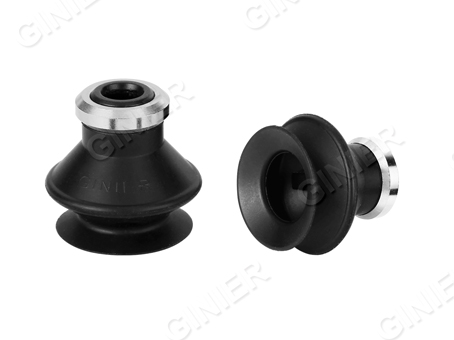
Full-range suction cup series with diversified materials & sizes.
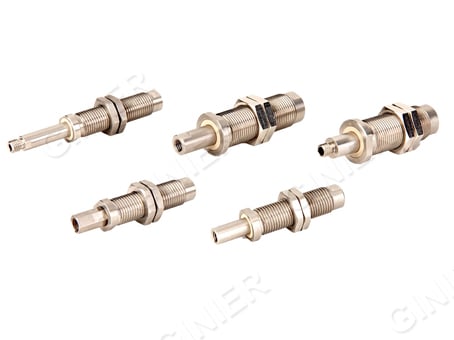
Complete pre-assembled suction fitting product lineup.
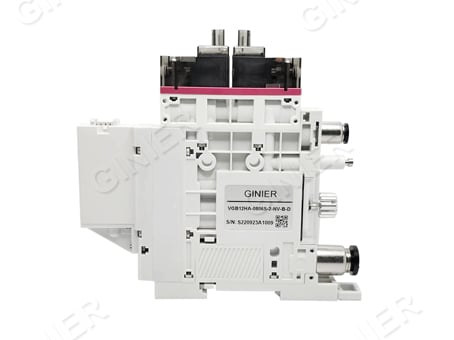
Modular vacuum generator full product portfolio.
 EN
EN