
what-are-the-differences-between-aluminum-steel-and-stainless-steel-vacuum-suction-cup-brackets, what-are-the-differences-between-aluminum-steel-and-stainless-steel-vacuum-suction-cup-brackets, /news
EN
2026/08/24
Selecting the right mounting solution is critical for any industrial application involving vacuum product accessories. The bracket material you choose directly impacts durability, corrosion resistance, weight capacity, and long-term maintenance costs. Understanding the differences between aluminum, steel, and stainless steel vacuum product accessories helps engineers and facility managers make informed decisions that align with operational requirements and budget constraints. Each material brings distinct advantages and limitations that become apparent only when evaluated against specific application demands.
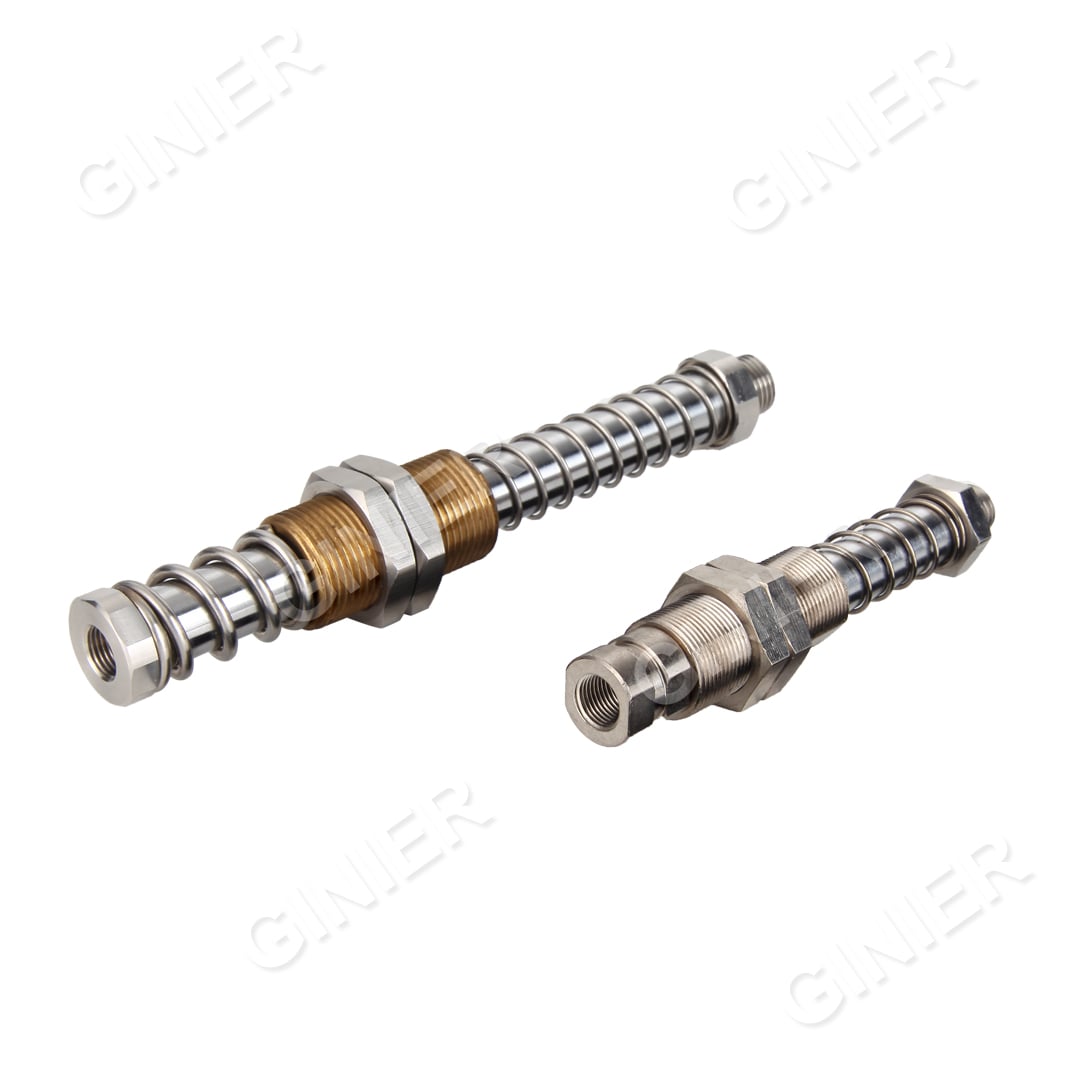
Vacuum product accessories serve as the backbone of equipment assembly systems in manufacturing, packaging, and automation environments. The bracket type and material composition determine how well suction cup mounting systems perform under pressure, temperature fluctuations, and chemical exposure. By comparing these three primary material options for vacuum product accessories, you gain clarity on which solution delivers optimal performance for your specific industrial context, whether prioritizing cost efficiency, extreme durability, or specialized chemical resistance.
Aluminum vacuum product accessories offer lightweight construction combined with moderate strength characteristics. The metal naturally resists corrosion through oxidation layer formation, making aluminum brackets suitable for indoor environments and applications not exposed to aggressive chemicals. Aluminum vacuum product accessories typically cost less than steel alternatives, reducing initial capital expenditure for large-scale deployments. The material maintains structural integrity in moderate temperature ranges, though thermal expansion becomes a consideration in environments with significant temperature swings.
The machinability of aluminum enables precision engineering in vacuum product accessories, allowing manufacturers to create complex bracket geometries with tight tolerances. This advantage makes aluminum vacuum product accessories popular for custom or specialized mounting configurations. However, aluminum exhibits lower tensile strength compared to steel alternatives, limiting maximum load capacity when mounting heavy suction cup assemblies. Vacuum product accessories constructed from aluminum require periodic inspection in demanding industrial settings where mechanical stress accumulates over extended operational periods.
Carbon steel vacuum product accessories deliver superior strength and load-bearing capacity, making them ideal for high-stress applications involving heavy suction cup systems. Standard steel offers excellent machinability and weldability, simplifying custom fabrication of vacuum product accessories to exact specifications. The cost-effectiveness of steel makes vacuum product accessories economically viable for volume production, particularly when standardized designs meet application requirements. Steel vacuum product accessories provide reliable performance across broader temperature ranges than aluminum alternatives.
The primary limitation of standard steel vacuum product accessories is susceptibility to rust and corrosion when exposed to moisture or humid environments. Protective coating systems must be applied to extend service life, adding maintenance complexity and ongoing costs. For applications requiring maximum load capacity with intermittent corrosion risk, vacuum product accessories made from steel with adequate protective treatments represent a practical solution. Many industrial facilities accept corrosion management as part of routine maintenance when vacuum product accessories offer superior strength at lower initial cost.
Stainless steel vacuum product accessories provide exceptional corrosion resistance through chromium content that creates a self-healing protective oxide layer. Industries including food processing, pharmaceuticals, marine applications, and chemical handling routinely specify stainless steel vacuum product accessories because these brackets survive harsh environments without coating degradation. The corrosion resistance of vacuum product accessories made from stainless steel eliminates ongoing maintenance requirements, reducing total cost of ownership despite higher initial material expense. Stainless steel vacuum product accessories maintain aesthetic appearance and structural integrity even in saltwater, chlorine-rich, or chemically aggressive atmospheres.
Stainless steel vacuum product accessories retain strength at elevated temperatures, accommodating thermal cycling without fatigue concerns that affect aluminum or coated steel alternatives. Specific grades of stainless steel (such as 304 or 316) offer standardized performance specifications recognized across industries. The higher cost of vacuum product accessories fabricated from stainless steel is offset in long-cycle operations where replacement, refinishing, or repair of aluminum or steel brackets would disrupt production. For applications demanding minimal maintenance intervention, vacuum product accessories constructed from stainless steel justify premium pricing through extended service intervals.
Aluminum vacuum product accessories resist atmospheric corrosion but degrade rapidly in acidic, alkaline, or chloride-containing environments without protective coatings. Steel vacuum product accessories require applied finishes or plating to resist corrosion, with coating effectiveness declining gradually through environmental exposure. Stainless steel vacuum product accessories resist virtually all common industrial chemical exposures due to inherent material properties, not applied surface treatments. In applications involving repetitive moisture cycling or temperature fluctuations, vacuum product accessories made from stainless steel deliver predictable performance while aluminum and coated steel alternatives experience progressive degradation. Selecting appropriate vacuum product accessories requires evaluating whether environmental resistance derives from inherent material properties or applied protective systems.
Vacuum product accessories must support suction cup assemblies and transmitted load vectors without permanent deformation or failure. Steel brackets provide maximum load capacity per unit weight, making vacuum product accessories suitable for heavy equipment with substantial inertial forces or dynamic movement. Aluminum vacuum product accessories accommodate moderate loads typical of light to medium packaging applications, automation integration, and assembly system mounting. Stainless steel vacuum product accessories deliver strength approaching carbon steel while maintaining superior environmental resistance, though cost premiums apply. Applications involving vertical load orientation, impact forces, or cyclic stress require structural evaluation to confirm vacuum product accessories provide adequate safety margins throughout intended service life.
Food processing and beverage industries mandate Vacuum Product Accessories that resist frequent washdown procedures, caustic sanitizers, and moisture accumulation without coating deterioration. Pharmaceutical and medical device manufacturing requires vacuum product accessories meeting cleanroom standards and elemental contamination specifications that stainless steel alone can satisfy. Outdoor industrial applications, marine environments, and chemical handling operations necessitate vacuum product accessories engineered from stainless steel to ensure reliability despite environmental hostility. Indoor manufacturing environments with controlled humidity and moderate temperature may justify aluminum or coated steel vacuum product accessories when cost optimization remains paramount. Cold storage and cryogenic applications demand vacuum product accessories engineered for material behavior at sub-zero temperatures where brittle fracture becomes a failure mode.
Cost considerations for vacuum product accessories extend beyond initial procurement to encompass maintenance scheduling, replacement frequency, and unplanned downtime from bracket failure. Organizations performing total cost of ownership analysis often discover that premium-priced stainless steel vacuum product accessories deliver lower lifetime costs through eliminated maintenance intervention and extended replacement cycles. Standard steel vacuum product accessories represent optimal economic choice when corrosion risk remains contained through environmental controls and coating maintenance programs remain feasible. Aluminum vacuum product accessories provide maximum economic efficiency for applications where light weight and moderate corrosion exposure align with design requirements.
Stainless steel vacuum product accessories command premium pricing due to elevated material cost, specialized machining requirements, and enhanced chromium content that creates corrosion resistance. Aluminum vacuum product accessories utilize lower-cost raw materials and simpler processing, resulting in lower procurement expense. The cost differential for vacuum product accessories reflects both material expense and manufacturing complexity, not merely raw material availability. When total lifecycle costs are calculated including maintenance and replacement, vacuum product accessories made from stainless steel often prove more economical despite higher upfront investment.
Protective coatings and anodizing processes can extend aluminum vacuum product accessories' environmental resistance, but treatments cannot match inherent stainless steel corrosion immunity. Anodized aluminum vacuum product accessories develop enhanced oxide layers that slow corrosion but remain vulnerable to coating penetration and galvanic corrosion at contact points. Vacuum product accessories requiring permanent corrosion immunity in aggressive environments should be specified in stainless steel rather than relying on coating systems for protected aluminum. Coating maintenance and periodic reapplication represent ongoing requirements for treated aluminum vacuum product accessories in challenging environments.
Selection of vacuum product accessories depends on load requirements, environmental exposure, budget constraints, and maintenance feasibility. For heavy-load applications with corrosion risk, stainless steel vacuum product accessories deliver reliability despite premium cost. For cost-sensitive indoor applications with moderate loads, aluminum vacuum product accessories provide efficient solutions. For high-stress environments where corrosion risk is manageable through maintenance, steel vacuum product accessories with protective coatings balance strength and economy. Evaluating your specific application against these factors ensures vacuum product accessories selection aligns with operational priorities and long-term cost objectives.
Explore our core 3 major vacuum product series for automated handling solutions.
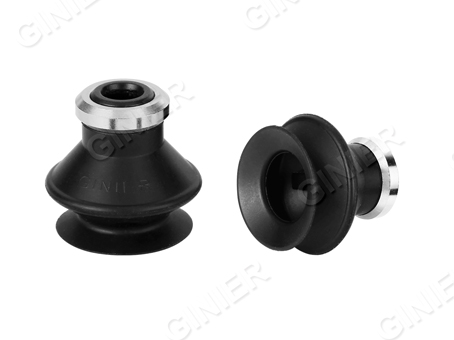
Full-range suction cup series with diversified materials & sizes.
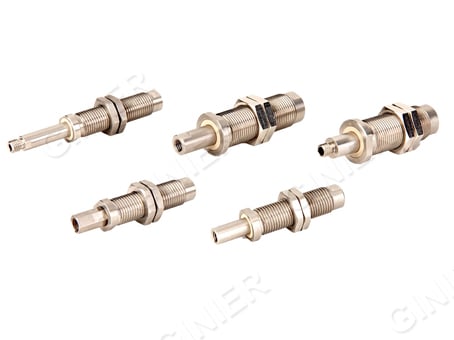
Complete pre-assembled suction fitting product lineup.
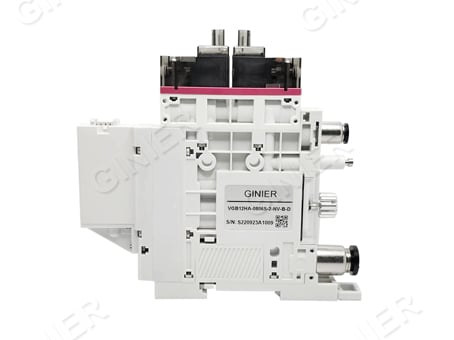
Modular vacuum generator full product portfolio.
 EN
EN