
vacuum-suction-cup-wear-signs-it-is-time-to-replace, vacuum-suction-cup-wear-signs-it-is-time-to-replace, /news
EN
2026/08/24
Identifying when your vacuum suction cup requires replacement is essential for maintaining operational efficiency in industrial and commercial applications. A vacuum suction cup that displays vacuum suction cup wear can compromise your entire lifting and handling system, leading to product damage, safety risks, and costly downtime. Understanding the warning signals and suction cup replacement signs that indicate your vacuum suction cup needs attention will help you prevent equipment failures before they impact your business.
Every vacuum suction cup degrades over time due to repeated cycles, exposure to oils, chemicals, temperature fluctuations, and material stress. Recognizing these deterioration patterns allows you to schedule industrial suction cup maintenance and replacements during planned maintenance windows rather than facing emergency breakdowns. This article explores critical wear indicators, inspection techniques, and replacement best practices for systems across various industrial environments.
One of the most obvious signs of vacuum suction cup wear is the appearance of visible cracks, splits, or surface separation. These structural compromises typically develop gradually as the elastomer material loses its flexibility and resilience. When a vacuum suction cup begins cracking, its ability to maintain an airtight seal diminishes significantly.
Cracks often originate from stress concentration points, such as the connection interface or areas where the cup meets mounting hardware. Once initiated, these cracks propagate rapidly under operational load, accelerating the deterioration process. If your vacuum suction cup displays hairline fractures or visible surface splitting due to advanced vacuum suction cup wear, replacement should be prioritized immediately to prevent sudden failure.
A vacuum suction cup that has lost its original elasticity becomes brittle and prone to permanent deformation. You can test this by gently pressing the cup surface with your finger; healthy material should spring back immediately, while elastomer degradation may cause the indentation to remain. Hardening typically occurs due to oxidation, prolonged UV exposure, or chemical attack.
When elasticity diminishes, the vacuum suction cup cannot adapt to surface irregularities, which reduces contact area and seal quality. This degradation directly impacts the holding force and reliability of your lifting system. A vacuum suction cup that has become stiff or permanently deformed should be replaced with a fresh unit that can restore optimal conformability and grip performance.
A noticeable decline in the holding force of your vacuum suction cup is a critical suction cup replacement sign that replacement is necessary. If your system previously lifted objects reliably but now struggles to maintain grip, the seal integrity has likely degraded due to vacuum seal failure. Performance loss often manifests as the need to increase vacuum pressure settings to achieve the same lifting results.
Measuring grip strength decline requires comparing current performance against baseline readings established when the vacuum suction cup was new. Industrial users typically track metrics such as pull-off force or load-holding time under standard conditions. When a vacuum suction cup shows a measurable decline in these metrics—often a 10 to 20 percent reduction—it signals that internal deterioration has begun compromising the seal and suction efficiency.
Excessive air leakage around the perimeter indicates seal degradation and serves as one of the clearest suction cup replacement signs that replacement timing has arrived. You may notice increased noise from the vacuum pump or difficulty maintaining target vacuum levels. Air leakage typically originates from microscopic gaps between the cup lip and the workpiece surface.
Inconsistent vacuum readings suggest that vacuum seal failure is occurring intermittently. This unpredictability is particularly dangerous in precision manufacturing where reliable grip is paramount. If your industrial suction cup maintenance logs show increasing vacuum pump runtime without workload changes, your equipment is likely working harder to compensate for leakage and needs replacement.
Industrial environments expose your vacuum suction cup to oils, solvents, cleaning chemicals, and other aggressive substances that accelerate material degradation. Different elastomer materials used in vacuum suction cup construction have varying resistance to specific chemicals; exposure to incompatible substances causes swelling, softening, or embrittlement. When a vacuum suction cup shows discoloration, unusual texture changes, or evidence of chemical attack, material incompatibility may be the root cause, and replacement with a chemically appropriate alternative becomes essential.
Regular inspection of your vacuum suction cup after handling oily parts or working in chemical-rich environments helps identify compatibility problems early. If the material begins showing signs of swelling, sticky residue buildup, or surface degradation after chemical contact, this signals that your current vacuum suction cup specification does not match your application demands. Selecting the correct elastomer material—nitrile, silicone, polyurethane, or EPDM—for your specific chemical environment will extend service life and prevent premature replacement requirements.
Extreme temperature exposure or repeated thermal cycling gradually weakens elastomer bonds in your vacuum suction cup, causing accelerated deterioration. High-temperature applications cause the material to soften and lose structural integrity, while low-temperature exposure makes the vacuum suction cup brittle and prone to cracking. Thermal cycling—repeated heating and cooling—creates internal stress cycles that eventually exceed the material's fatigue limit, leading to premature failure.
Applications involving refrigerated environments, ovens, or outdoor weather exposure require temperature-rated vacuum suction cup options. Inspecting your vacuum suction cup after extended operation in extreme thermal conditions helps identify heat-induced damage early. If your equipment operates in challenging temperature ranges and you notice accelerated wear patterns, transitioning to specialized temperature-resistant elastomer formulations will improve service life and reduce replacement frequency significantly.
Implementing a structured inspection schedule for your vacuum suction cup helps catch wear before catastrophic failure occurs. Monthly visual inspections should include checking for visible cracks, discoloration, material stiffness changes, and any evidence of leakage or performance degradation. Document inspection findings in your maintenance records to establish wear trends and predict optimal replacement timing for each individual vacuum suction cup in your facility.
Quarterly performance testing, where you measure grip strength and vacuum levels under standard load conditions, provides quantitative data about vacuum suction cup condition. Comparing current performance against baseline measurements reveals declining trends that warrant replacement scheduling. Predictive maintenance approaches using these inspection protocols typically reduce unexpected downtime and extend the operational life of your vacuum suction cup through timely, planned replacements.
Regular cleaning of your vacuum suction cup removes oils, debris, and contaminants that accelerate material degradation. Use mild soap and water or appropriate cleaning solutions compatible with your vacuum suction cup material; avoid harsh solvents that may cause chemical damage. Proper storage in cool, dark, dry conditions protects unused vacuum suction cup inventory from premature aging caused by ultraviolet exposure, excessive heat, or humidity.
When removing a vacuum suction cup for storage or replacement, handle it carefully to avoid unnecessary stress or damage. Store your vacuum suction cup away from direct sunlight, extreme temperatures, and chemical vapors that accelerate material degradation. Following these storage and maintenance practices extends the shelf life of replacement vacuum suction cup units, ensuring they perform optimally when installed in your system.
Replacement frequency depends on application intensity, environmental conditions, and material quality. Light-duty applications may see a unit last 12 to 24 months, while harsh environments showing rapid vacuum suction cup wear or early suction cup replacement signs may require replacement every 3 to 6 months.
In most cases, a deteriorated unit experiencing advanced elastomer degradation or chronic vacuum seal failure cannot be effectively repaired and should be replaced to restore system performance and safety.
Delaying replacement can result in significantly higher costs through product damage and system downtime. A failing unit prone to vacuum seal failure may cause dropped loads or safety incidents that exceed the replacement cost many times over.
Explore our core 3 major vacuum product series for automated handling solutions.
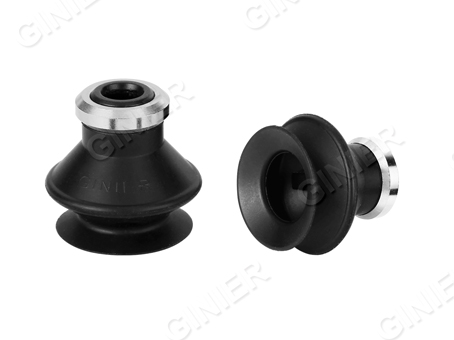
Full-range suction cup series with diversified materials & sizes.
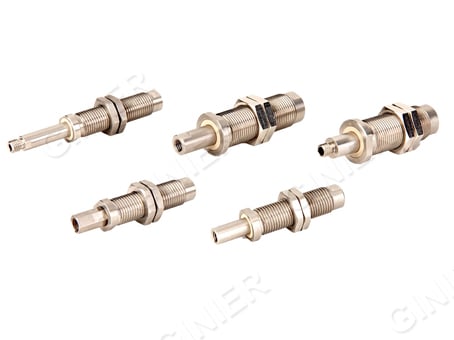
Complete pre-assembled suction fitting product lineup.
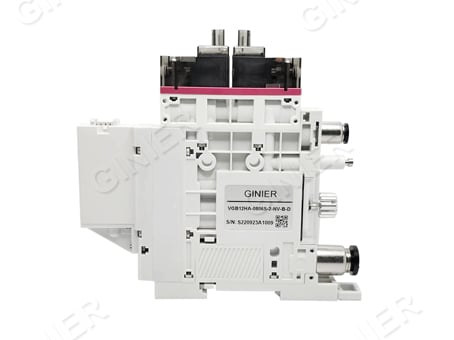
Modular vacuum generator full product portfolio.
 EN
EN