
EN
2026/08/21
Vacuum ejector systems are essential components in countless industrial applications, from material handling to pneumatic conveying and production line automation. However, one persistent challenge that manufacturers and facility managers face is the noise generated by the exhaust of vacuum ejector units during operation. The acoustic emissions from a vacuum ejector can reach levels that create workplace safety concerns, reduce operational comfort, and even trigger regulatory compliance issues. Understanding how to effectively reduce noise from vacuum ejector exhaust is therefore not just an operational preference but a genuine business necessity for modern industrial environments.
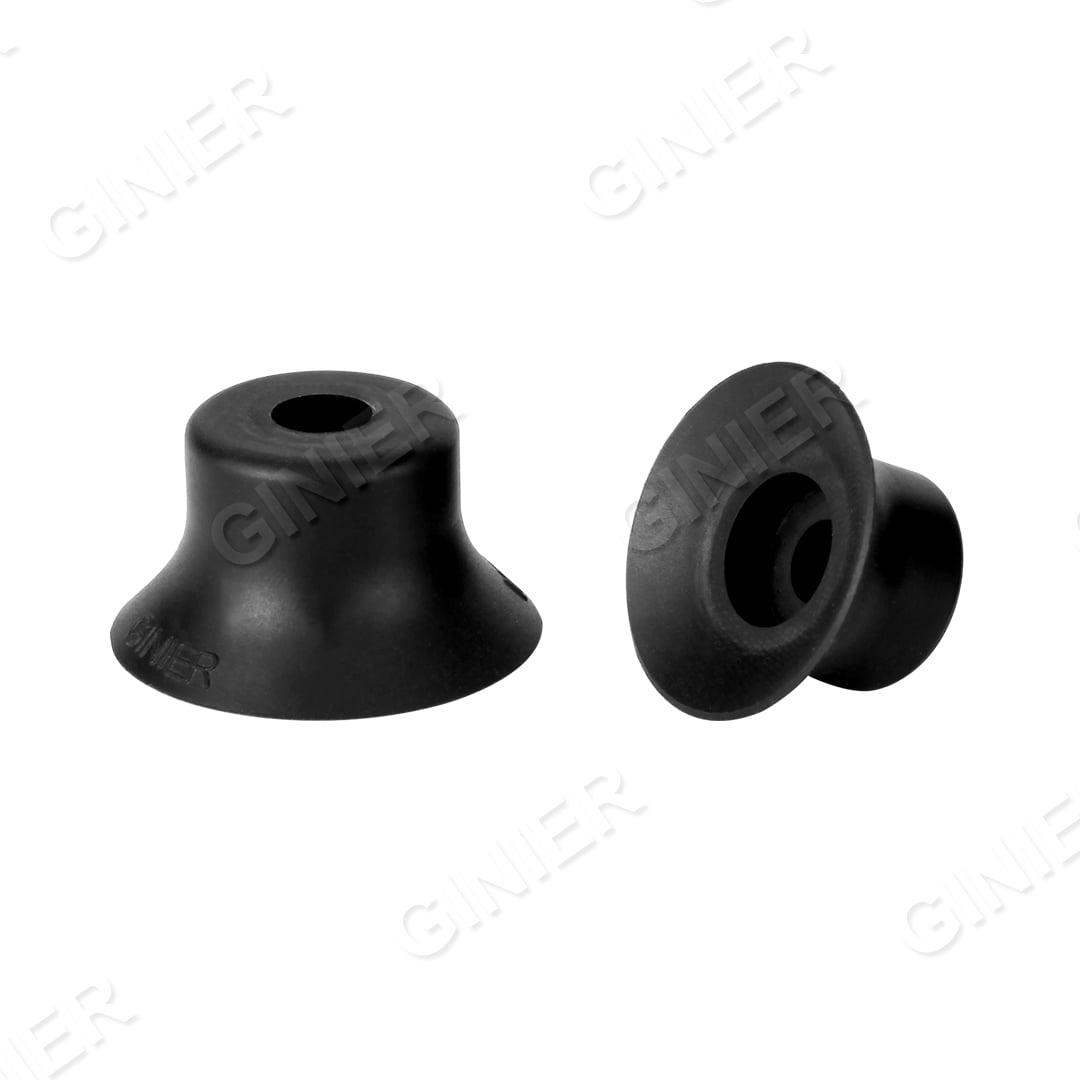
The noise problem associated with vacuum ejector exhaust stems from the fundamental mechanics of how these devices operate. A vacuum ejector works by converting high-pressure compressed air into a lower-pressure vacuum state, and this rapid expansion of air creates turbulence and acoustic energy. This noise can disrupt worker concentration, damage hearing over prolonged exposure, and complicate efforts to maintain a pleasant facility environment. Fortunately, implementing targeted strategies like vacuum ejector noise reduction and compressed air noise reduction offers effective solutions. These range from simple design modifications to sophisticated silencing technologies that can be integrated into both new installations and existing equipment as part of a broader industrial noise control framework.
The noise produced by a vacuum ejector originates from the rapid release and expansion of compressed air through the ejector throat and nozzle. When high-pressure air is expelled at high velocity into the atmosphere, it creates turbulent eddies and pressure waves that translate into acoustic energy. The core noise generation mechanism within a vacuum ejector is related to the velocity of air discharge, the pressure differential, and the geometry of the exhaust opening. Understanding this physics is critical because it directly informs which noise reduction strategies will be most effective for your specific vacuum ejector installation.
A typical vacuum ejector operating at standard industrial settings produces noise levels between 80 and 95 decibels, depending on the model size, operating pressure, and air flow rate. To put this in context, occupational safety regulations in many regions mandate hearing protection when workers are exposed to noise above 85 decibels for extended periods. When multiple vacuum ejector units operate in proximity or when a single vacuum ejector runs continuously throughout the workday, cumulative noise exposure becomes a significant workplace health concern. Reducing noise from vacuum ejector exhaust by even 5 to 10 decibels can meaningfully lower hearing damage risk and improve the overall factory environment.
The most straightforward and cost-effective approach to reduce noise from vacuum ejector exhaust is the installation of a dedicated muffler or silencer on the exhaust port. Mufflers designed specifically for vacuum ejector applications use internal baffles and acoustic foam to dissipate sound energy without significantly restricting air flow. The effectiveness of a vacuum ejector muffler depends on its internal design, material quality, and proper sizing relative to your ejector's air discharge volume. Deploying a specialized vacuum ejector silencer further supports comprehensive industrial noise control by dampening high-frequency discharge pulses. A well-selected component combined with effective vacuum ejector noise reduction practices can reduce exhaust noise by 15 to 25 decibels, bringing operation into compliant and worker-friendly ranges. When selecting a muffler for your vacuum ejector, verify that the back-pressure rating is compatible with your ejector's specifications to avoid compromising vacuum performance.
Beyond direct muffling, routing the exhaust from your vacuum ejector through properly designed ducting systems can substantially reduce noise transmission into the surrounding facility. Flexible hose with internal sound-absorbing liners can dampen vibration and acoustic transmission as exhaust air travels from the vacuum ejector outlet to an external vent or treatment point. In some cases, installing a partial or full acoustic enclosure around the vacuum ejector and its exhaust path provides additional noise isolation. This approach is particularly valuable in open-floor manufacturing environments where a single vacuum ejector serves multiple workstations and its noise would otherwise affect a broad area. The investment in quality ducting and enclosure design for your vacuum ejector often pays dividends through improved worker satisfaction and reduced regulatory risk.
More sophisticated facilities are increasingly adopting active noise cancellation systems designed to counteract the sound waves emitted by vacuum ejector exhaust in real time. These systems use microphones to detect the noise signature of the vacuum ejector, then generate inverse sound waves that destructively interfere with the original noise. While active noise cancellation for vacuum ejector applications represents a higher capital investment than passive muffling, it offers superior noise reduction performance and is particularly valuable in precision manufacturing environments where sound quality matters. The effectiveness of active systems depends on consistent vacuum ejector operation and proper sensor calibration, making them best suited for dedicated, continuous-duty applications.
Sometimes the most effective strategy to reduce noise from vacuum ejector equipment involves optimizing the vacuum ejector system itself rather than adding external silencing devices. Reducing the operating pressure of your vacuum ejector where application requirements permit will proportionally reduce noise output, since noise generation correlates directly with pressure differential. Implementing variable-speed drive controls on the compressed air supply can allow your vacuum ejector to operate at lower intensity during periods of reduced demand, thereby lowering average noise exposure. Regular maintenance of your vacuum ejector, including cleaning of internal passages and checking for wear or leakage, ensures that the unit operates efficiently without generating excess noise from turbulent bypass flows. Additionally, upgrading to newer vacuum ejector models with inherently quieter design can deliver both noise reduction and improved energy efficiency over the operational lifetime of the equipment.
The installation of noise reduction equipment on your vacuum ejector requires careful attention to engineering principles and manufacturer specifications. A muffler or vacuum ejector silencer must be securely mounted to prevent vibration-induced resonance, which can actually amplify certain frequency ranges rather than reducing them. The connection between your vacuum ejector and any muffler or ducting should be rigid and properly sealed to eliminate secondary noise sources from air leakage or connection vibration. Acoustic enclosures around the vacuum ejector should be constructed with sound-absorbing materials rather than hard reflective surfaces, and they must include adequate ventilation to prevent heat buildup that could damage the ejector. Professional installation by technicians familiar with your specific vacuum ejector model ensures that noise control measures deliver their designed performance without compromising vacuum generation or system reliability.
After noise reduction measures are installed on your vacuum ejector system, regular inspection and maintenance are essential to preserve performance over time. Acoustic foam inside mufflers and silencers gradually degrades as moisture and particulate accumulate, reducing their absorption efficiency and thus their ability to reduce noise from vacuum ejector exhaust. Periodic cleaning and replacement of internal foam materials in your vacuum ejector silencer maintains optimal noise reduction performance. Sound level monitoring at regular intervals allows you to track whether your vacuum ejector noise control measures are maintaining their design effectiveness or whether maintenance or adjustment is needed. Documenting baseline noise measurements before and after implementing vacuum ejector noise reduction measures provides valuable data for demonstrating compliance with occupational health regulations and justifying future investments in facility noise management.
A typical vacuum ejector in standard industrial operation produces noise levels between 80 and 95 decibels, depending on model size, operating pressure, and air flow capacity. Larger vacuum ejector units or those operating at higher pressures tend toward the upper end of this range. The specific noise output of your vacuum ejector should be documented in the manufacturer's technical specifications, which will help guide your selection of appropriate noise reduction strategies for your facility.
A properly selected and installed muffler can typically reduce noise from vacuum ejector exhaust by 15 to 25 decibels, depending on the muffler design, internal material quality, and compatibility with the vacuum ejector model. The reduction effectiveness also depends on whether the muffler is designed for the specific air flow and pressure characteristics of your vacuum ejector system. High-quality industrial-grade mufflers designed for vacuum ejector applications generally deliver better noise reduction than universal silencers.
Noise control measures such as a dedicated vacuum ejector silencer, ducting improvements, and acoustic enclosures can generally be retrofitted onto existing installations to achieve immediate vacuum ejector noise reduction. Integrating these retrofits is a cornerstone of cost-effective industrial noise control in active facilities, ensuring that compressed air noise reduction goals are met without replacing functional hardware.
Explore our core 3 major vacuum product series for automated handling solutions.
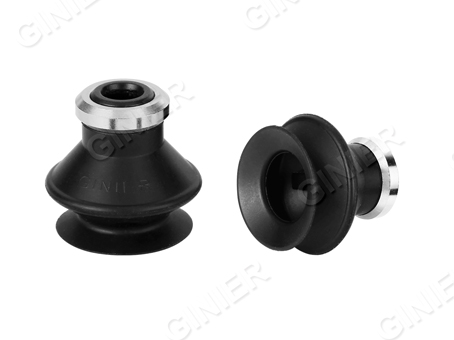
Full-range suction cup series with diversified materials & sizes.
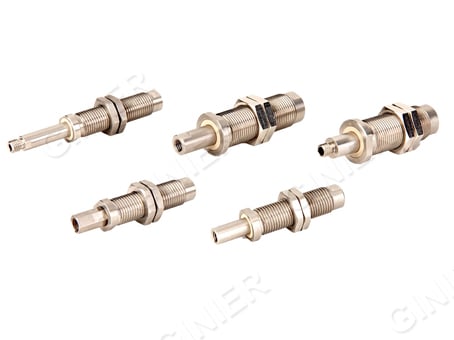
Complete pre-assembled suction fitting product lineup.
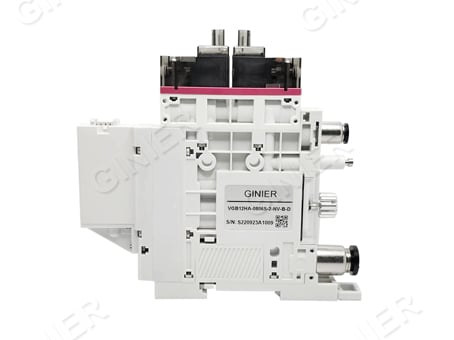
Modular vacuum generator full product portfolio.
 EN
EN