
how-to-maintain-vacuum-suction-tools-for-stable-performance, how-to-maintain-vacuum-suction-tools-for-stable-performance, /news
EN
2026/08/24
A vacuum suction tool represents one of the most critical assets in industrial automation, material handling, and manufacturing environments. Proper vacuum suction tool maintenance ensures that these critical assets operate at peak efficiency. Yet many operators and facility managers overlook the importance of regular maintenance schedules that keep these tools performing at peak efficiency. When a vacuum suction tool begins to lose grip strength or develops inconsistent holding power, production delays multiply, quality defects emerge, and safety risks escalate. The difference between a reliable vacuum suction tool and an underperforming one often comes down to how systematically you care for it throughout its operational life.
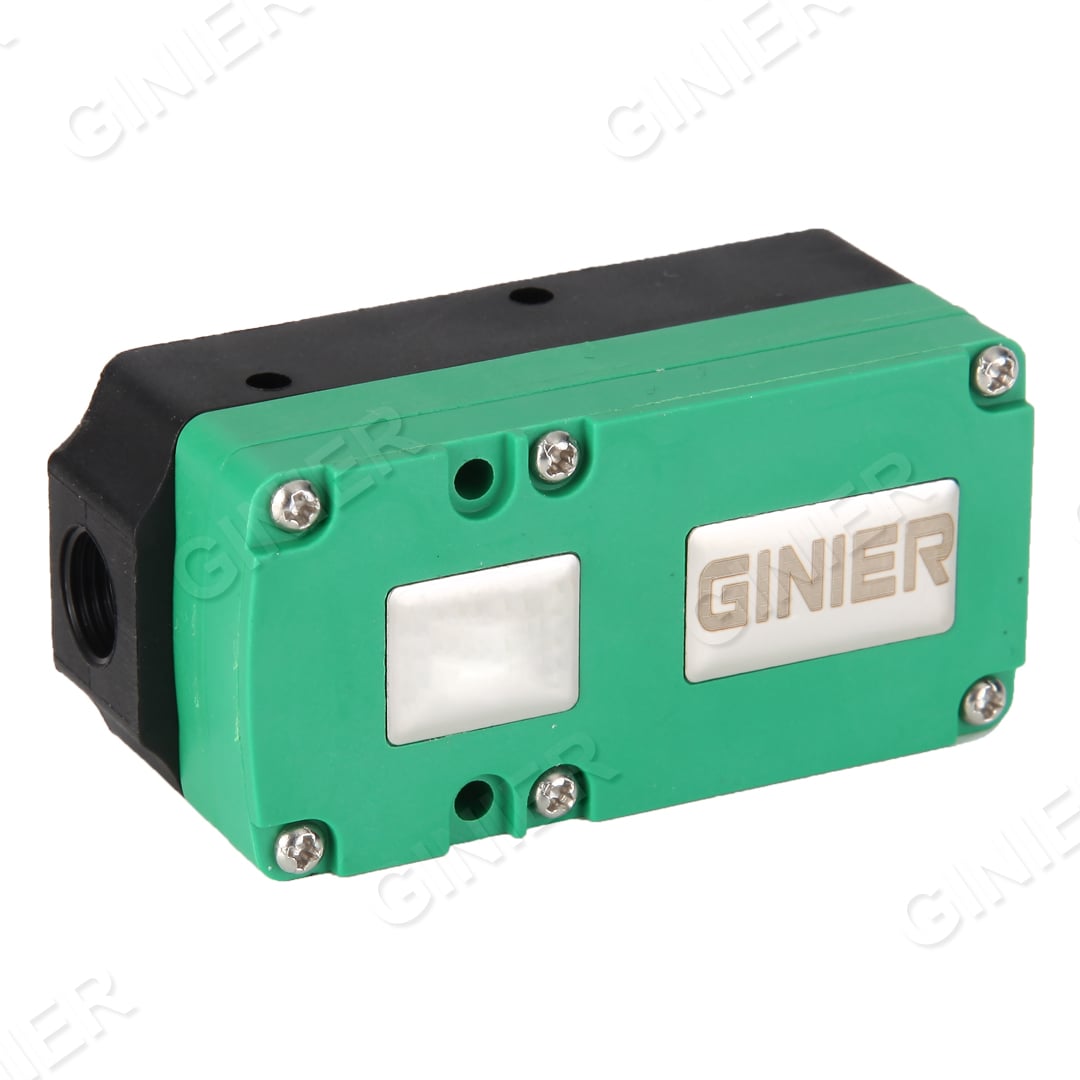
Maintaining a vacuum suction tool goes far beyond occasional wiping or surface cleaning. A comprehensive maintenance approach protects your investment, extends equipment lifespan, prevents unexpected breakdowns, and ensures consistent product quality. This guide covers the practical steps, inspection routines, and troubleshooting methods that will help you keep your vacuum suction tool operating at stable performance levels year after year.
The suction cup forms the heart of any vacuum suction tool system. Over time, the elastomer material can degrade from constant contact with oils, solvents, temperature fluctuations, and physical stress. Cracks, hardening, or permanent deformation directly compromise holding capacity. Inspect the surface for visible wear, discoloration, or loss of flexibility. A healthy component should have a smooth, slightly tacky surface that returns to its original shape after compression. Implementing daily industrial vacuum tool care routines prevents premature wear of these sensitive parts.
Blockages in air passageways represent the most common reason a tool loses suction power without apparent damage. Dust, debris, moisture, and manufacturing residue accumulate inside internal channels, reducing air flow efficiency. Many operators do not realize their performance degradation stems from preventable filter clogging rather than mechanical failure. Effective industrial vacuum tool care includes checking your filter at the start of every shift and replacing it according to manufacturer specifications.
Before each work session, clean the active sealing surfaces with a lint-free cloth slightly dampened with distilled water or approved cleaning solution. Particles trapped between the suction rim and the work surface create micro-leaks that severely limit holding strength. Wipe away any residual oils, coolant mist, or metallic fines. For equipment operating in heavy industrial settings, standard suction cup maintenance like a quick compressed air blast followed by manual wipe-down takes less than one minute and dramatically improves performance reliability throughout the shift.
Most systems depend on consistent pneumatic pressure to function correctly. Verify that your air supply regulator delivers the manufacturer-specified pressure—typically between 0.5 and 0.8 bar. Fluctuating pressure indicates a failing compressor, leaking supply lines, or regulator malfunction that directly impacts stability. Monitoring parameters through proper pneumatic suction system upkeep ensures consistent performance. Use a calibrated pressure gauge to confirm readings and maintain a log documenting daily pressure checks.
Once monthly, perform a thorough disassembly and cleaning of your vacuum suction tool system. Remove the suction cup assembly and soak internal components in approved solvent to dissolve accumulated residue that routine cleaning cannot reach. Inspect rubber seals, o-rings, and gaskets throughout your vacuum suction tool for cracks, swelling, or brittleness. Replace any worn seals immediately—a compromised seal in your vacuum suction tool can cause 30 to 50 percent suction loss and make the entire system unreliable. Document the condition of your vacuum suction tool components in a maintenance record for future reference.
Functional testing validates whether your vacuum suction tool actually maintains the grip strength your production process demands. Use standardized test loads that mirror real-world materials your vacuum suction tool will handle during normal operation. Attach your vacuum suction tool to a calibrated force gauge and measure the maximum holding power under your standard operating pressure. If your vacuum suction tool registers below 85 percent of the original manufacturer specification, deeper diagnostics are necessary before returning it to full production use.
When holding power gradually loses over weeks or months rather than failing suddenly, filter contamination and seal wear represent the leading causes. Start by replacing the filter element and measuring suction recovery. If performance improves only slightly, thorough vacuum tool troubleshooting helps inspect seals and suction cups for permanent deformation. Age and material fatigue mean components may simply need replacement rather than repair.
Unpredictable suction loss often signals air leaks at connection points, loose fittings, or moisture accumulation inside pneumatic lines. Check all threaded connections and quick-disconnect couplings for tightness. Effective pneumatic suction system upkeep involves installing a moisture trap in the air supply line if you operate in humid environments—trapped water vapor causes rust, corrosion, and intermittent pressure drops.
Sometimes your vacuum suction tool refuses to release from a work surface because contaminants have created an abnormally strong bond. When this occurs, do not force your vacuum suction tool away from the part—instead, increase air pressure slightly to break the seal gradually, or apply heat gently to shrink the suction cup. Establish a preventive protocol for your vacuum suction tool by using protective layers or release agents on materials prone to sticking. This simple discipline protects your vacuum suction tool hardware and reduces operator frustration during production cycles.
Filter replacement frequency depends on your operating environment. In clean manufacturing settings, replace your filter every three to six months. In dusty or contaminated environments, check your filter weekly and replace it monthly. Always keep spare filters on hand so that routine vacuum suction tool maintenance never halts your production line.
Most standard industrial vacuum suction tool applications operate optimally between 0.5 and 0.8 bar. However, your vacuum suction tool performance specifications depend on the cup size, material, and application requirements provided by your equipment manufacturer. Refer to your vacuum suction tool documentation or contact the supplier to confirm the correct pressure setting for your vacuum suction tool model. Higher pressure does not always mean better performance—it may actually accelerate seal wear on your vacuum suction tool.
Small surface scratches or minor wear can often be remedied with thorough cleaning or gentle sanding. However, deep cracks, permanent deformation, or loss of elasticity mean replacement is necessary. Attempting repairs beyond standard suction cup maintenance wastes time and risks product damage. Budget for periodic replacement as a normal cost rather than an emergency expense, and utilize proper vacuum tool troubleshooting to identify failure patterns early.
Explore our core 3 major vacuum product series for automated handling solutions.
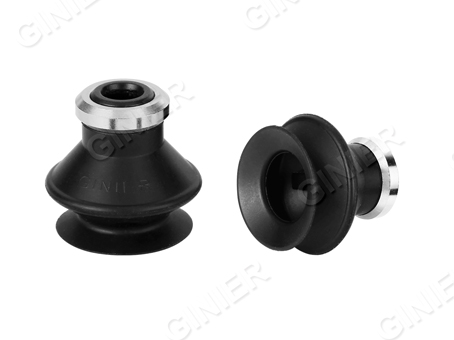
Full-range suction cup series with diversified materials & sizes.
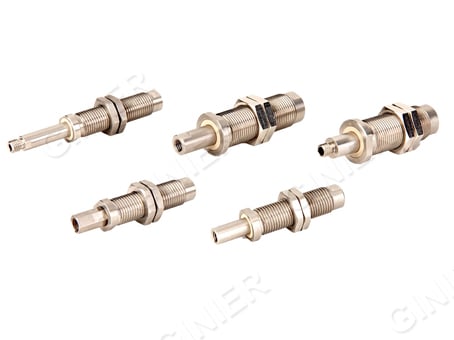
Complete pre-assembled suction fitting product lineup.
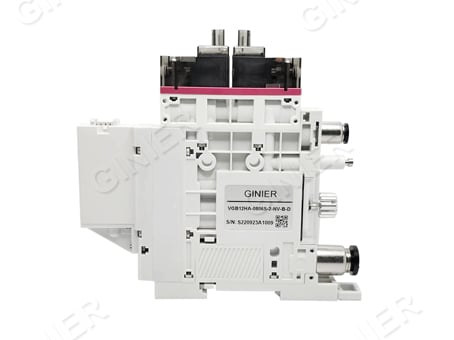
Modular vacuum generator full product portfolio.
 EN
EN