
does-the-discoloration-of-silicone-rubber-affect-its-vacuum-gripping-performance-after-longterm-use, does-the-discoloration-of-silicone-rubber-affect-its-vacuum-gripping-performance-after-longterm-use, /news
EN
2026/08/21
The long-term performance of a silicone suction cup is a critical concern in industrial automation, material handling, and precision manufacturing environments. Over extended periods of use, silicone suction cups often exhibit visual discoloration, ranging from yellowing to darkening or surface staining. Many facility managers and production supervisors wonder whether this discoloration signals a genuine decline in the silicone suction cup's vacuum gripping performance or merely represents a cosmetic change that does not affect functionality. Understanding this distinction is essential for maintaining equipment reliability, optimizing maintenance schedules, and avoiding unnecessary replacement of components that may still deliver acceptable performance.
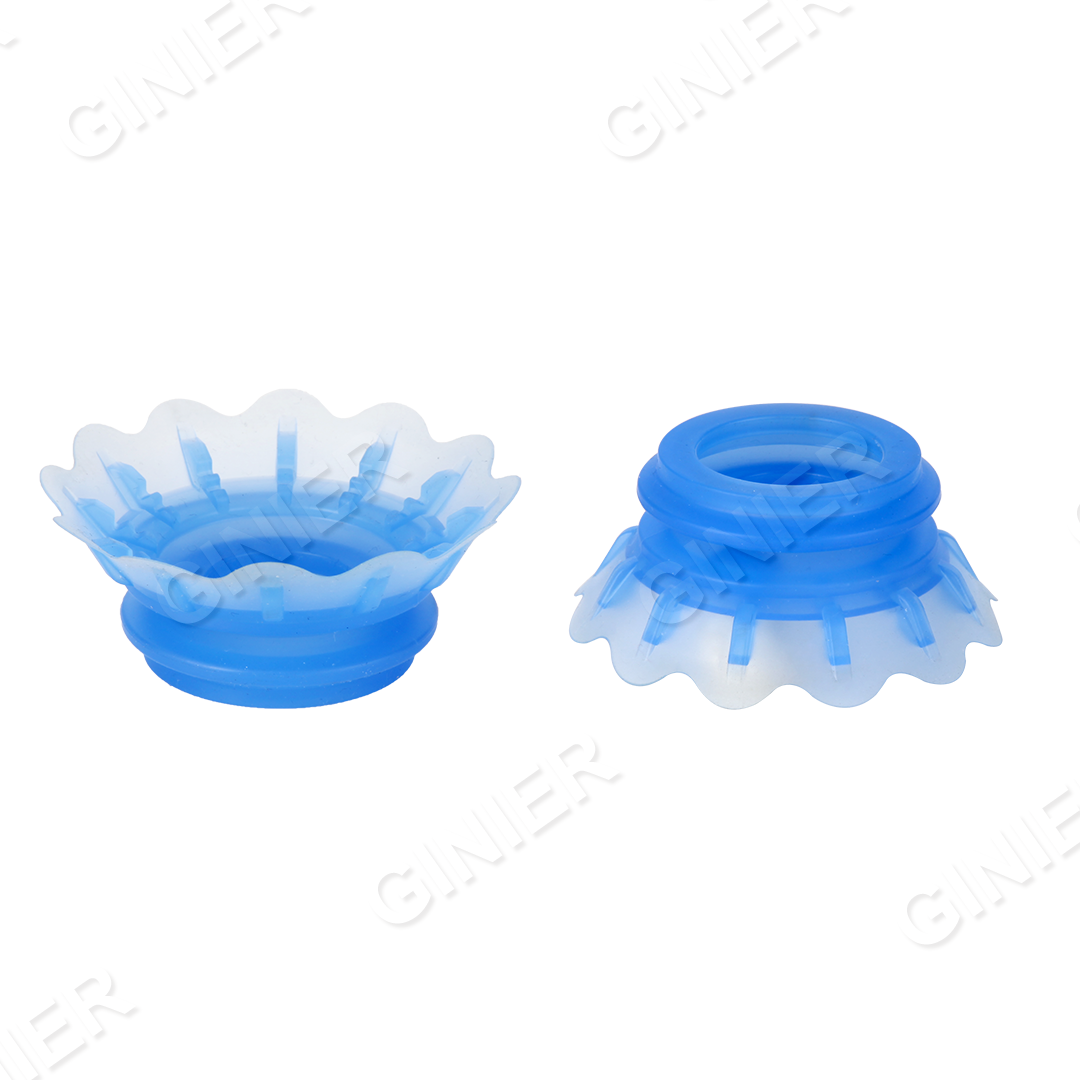
Discoloration of a silicone suction cup typically results from environmental exposure, material composition changes, and chemical interaction rather than structural degradation of the silicone material itself. When a silicone suction cup undergoes discoloration, the rubber compound may have absorbed contaminants, experienced oxidative changes, or reacted with oils, solvents, or atmospheric elements. The key question is whether these surface-level or compositional shifts actually compromise the silicone suction cup's ability to generate and maintain vacuum pressure. This article explores the relationship between silicone suction cup discoloration and vacuum gripping performance, providing evidence-based guidance for industrial maintenance decisions.
A silicone suction cup can discolor through several pathways, each linked to the operating environment and storage conditions. UV exposure causes silicone suction cup yellowing or browning as the polymer chains undergo photodegradation. Contact with mineral oils, hydraulic fluids, or solvents can trigger absorption and staining in a silicone suction cup, darkening its surface. Temperature cycling also plays a role; repeated heating and cooling may accelerate oxidation and modify the silicone suction cup's surface properties. Industrial environments with airborne contaminants, dust, or chemical vapors can deposit particles on or into a silicone suction cup, creating visible discoloration over weeks or months of operation.
The core silicone suction cup material undergoes slow cross-linking and hardening over time, a process called post-cure aging. This aging can alter the silicone suction cup's color while simultaneously affecting its elasticity and surface properties. However, the extent of performance degradation depends on the silicone suction cup's formulation, the presence of stabilizers and antioxidants, and the severity of environmental stressors. Premium-grade silicone suction cup compounds often include UV stabilizers and antioxidants that slow yellowing and preserve performance longer than standard-grade materials. The silicone suction cup's color change alone does not indicate failure; rather, the rate of discoloration may signal exposure intensity or material quality.
Vacuum gripping relies on the silicone suction cup forming a hermetic seal between its contact surface and the workpiece. When a silicone suction cup discolors, the question emerges: has the sealing surface degraded? In most cases, surface discoloration does not immediately compromise sealing capability if the silicone suction cup remains flexible and its contact face maintains its geometry and surface finish. The silicone suction cup can lose vacuum gripping power only if the material becomes brittle, if micro-cracks develop in the sealing lip, or if the silicone suction cup's internal structure weakens. Discoloration accompanied by hardening, crazing, or deformation is a warning sign; discoloration alone is often superficial and performance-neutral.
Industrial testing demonstrates that a silicone suction cup maintains adequate performance for months after visible color changes appear. Regular silicone aging tracking combined with routine pull-off force testing ensures accurate evaluation. A slightly discolored unit often retains high capacity, and systematic pull-off force testing helps verify that ongoing silicone aging has not compromised the grip.
Regular cleaning prevents contaminant buildup and slows the progression of discoloration in a silicone suction cup. Removing oils, dust, and chemical residues preserves the silicone suction cup's elasticity and extends its functional life. Using mild soap, water, or gentle solvents appropriate to the operating environment helps maintain a silicone suction cup's surface condition without aggressive chemical exposure. Storing a silicone suction cup away from direct sunlight, high temperatures, and reactive atmospheres significantly delays yellowing and material hardening. For facilities with harsh chemical environments, selecting a silicone suction cup with enhanced UV and oxidation resistance justifies the investment in premium formulations that resist discoloration longer while maintaining performance under demanding conditions.
Rather than replacing components based on cosmetic changes alone, implementing structured protocols optimizes maintenance. Routine pull-off force testing reveals whether vacuum gripping performance has degraded, while monitoring silicone aging indicators provides a quantitative measure of material wear. This data-driven approach relies heavily on consistent pull-off force testing rather than visual judgments
No. A silicone suction cup's discoloration is often a cosmetic change that does not immediately indicate functional failure. A slightly yellowed or darkened silicone suction cup typically retains sufficient vacuum gripping performance for continued operation. Replacement should be based on measurable performance metrics such as pull-off force and material hardness, not color alone. Only when testing confirms that a silicone suction cup's grip force has fallen significantly below specification or the material has become too rigid to form a proper seal should replacement be considered necessary.
UV light, high heat, industrial oils, and solvents are the primary accelerants of silicone suction cup discoloration. Facilities with strong sunlight exposure, elevated ambient temperatures, or frequent contact with hydraulic or machine oils will see faster yellowing and staining of a silicone suction cup. Chemical-heavy environments and outdoor storage conditions also dramatically speed up the visible aging process. To slow discoloration, store a silicone suction cup indoors, use protective covers when not in use, and maintain clean operating conditions free of excess oil or chemical spray.
Pull-off force testing is the most direct quantitative method. Use a calibrated force gauge to measure the maximum load before release. Because internal silicone aging can progress independently of visual changes, regular pull-off force testing ensures the component maintains its required vacuum gripping performance safely and reliably.
Explore our core 3 major vacuum product series for automated handling solutions.
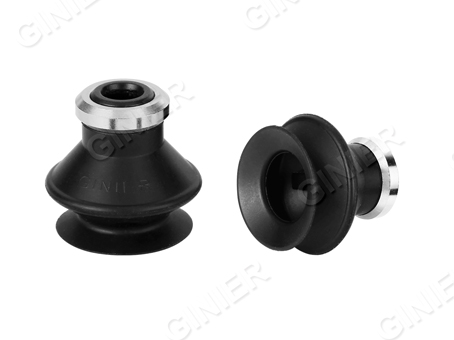
Full-range suction cup series with diversified materials & sizes.
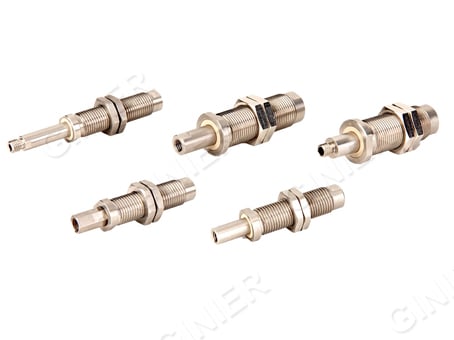
Complete pre-assembled suction fitting product lineup.
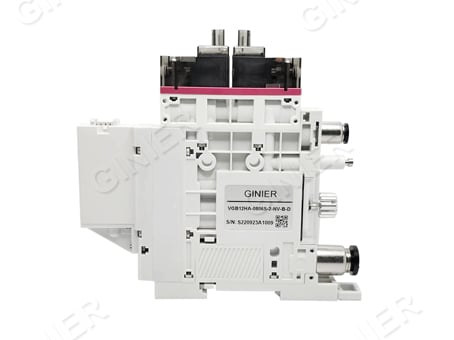
Modular vacuum generator full product portfolio.
 EN
EN